Water is easy to take for granted in the garden. You reach for the hose, give everything a spray, and move on — but the amount used during a typical watering session, and how much of it actually reaches the roots, might surprise you. The good news is that some of the most effective water-saving practices are also the simplest, and most of them cost nothing to implement.
Water deeply and less frequently
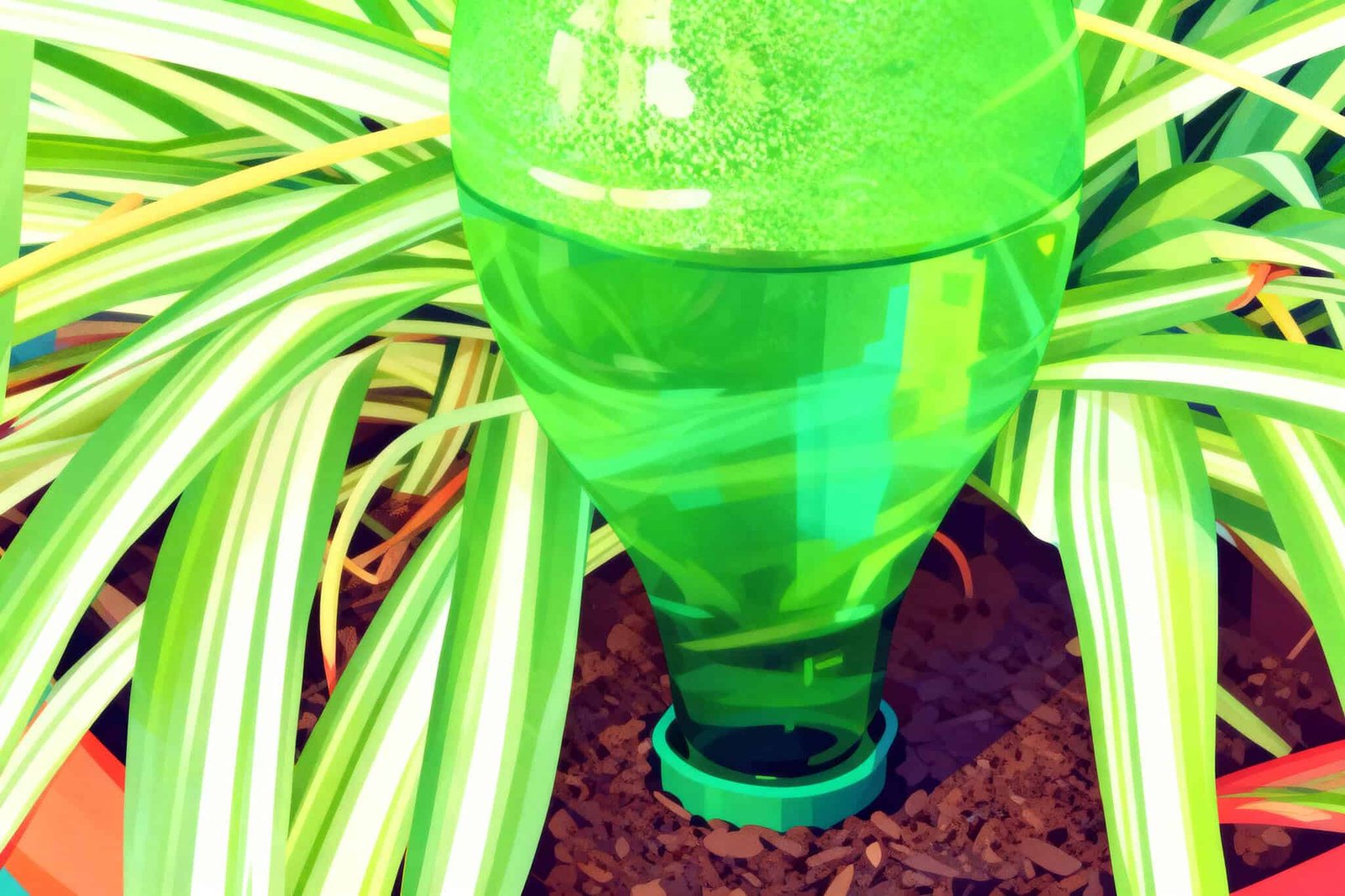
This is probably the single most impactful change most gardeners can make. Watering little and often encourages plant roots to stay near the surface, where they’re vulnerable to drought and dependent on regular top-ups. Watering deeply but less frequently — a thorough soak every week to ten days rather than a light sprinkle every day or two — encourages roots to grow downward in search of moisture. The result is a more resilient plant that can draw on water stored deeper in the soil, which means it copes far better during dry spells and needs less intervention overall.
The key is making sure the water actually penetrates. A slow, generous application that soaks into the ground is far more useful than a quick spray that sits on the surface and evaporates.
Use a watering can rather than a hose
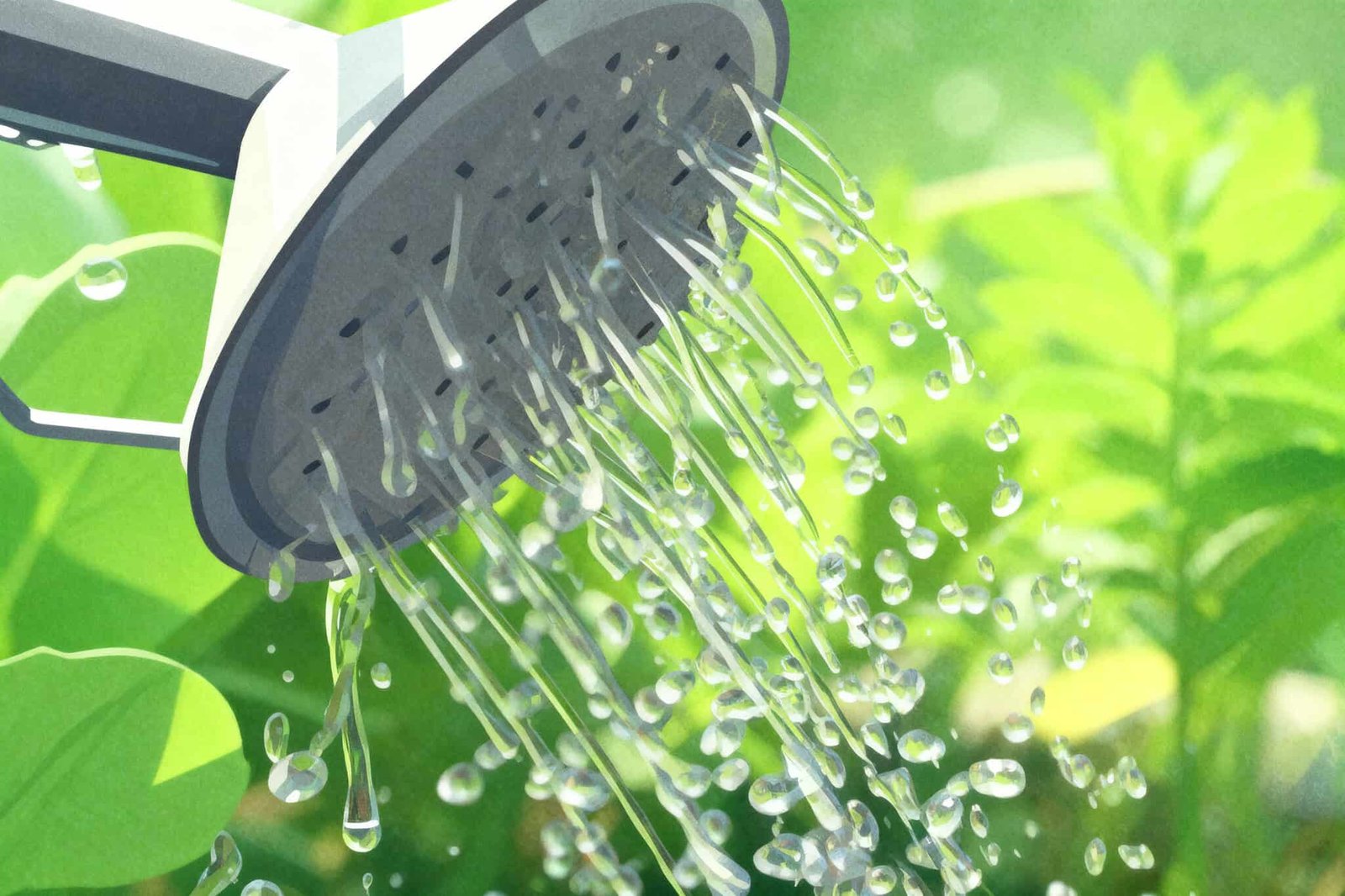
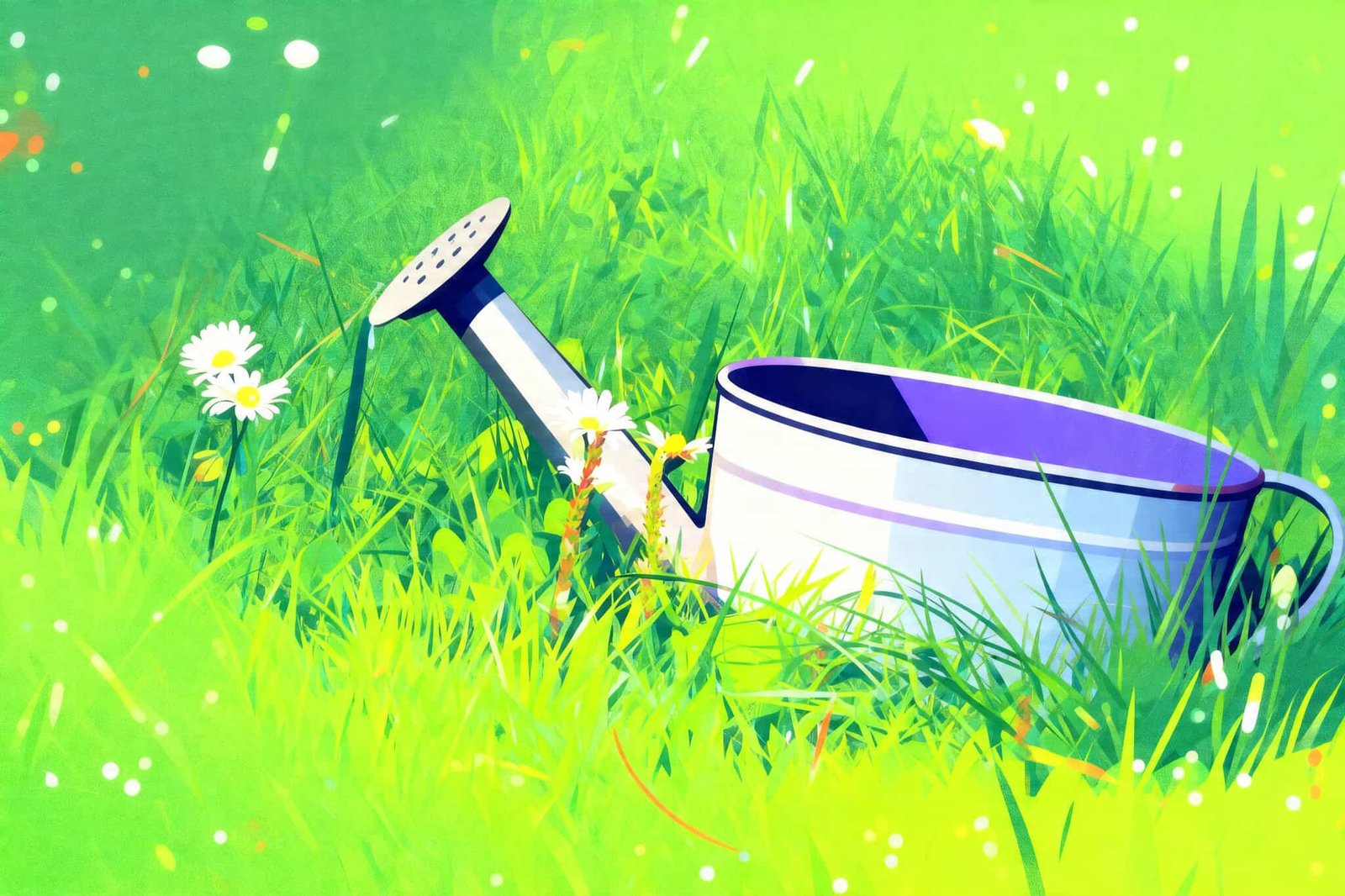
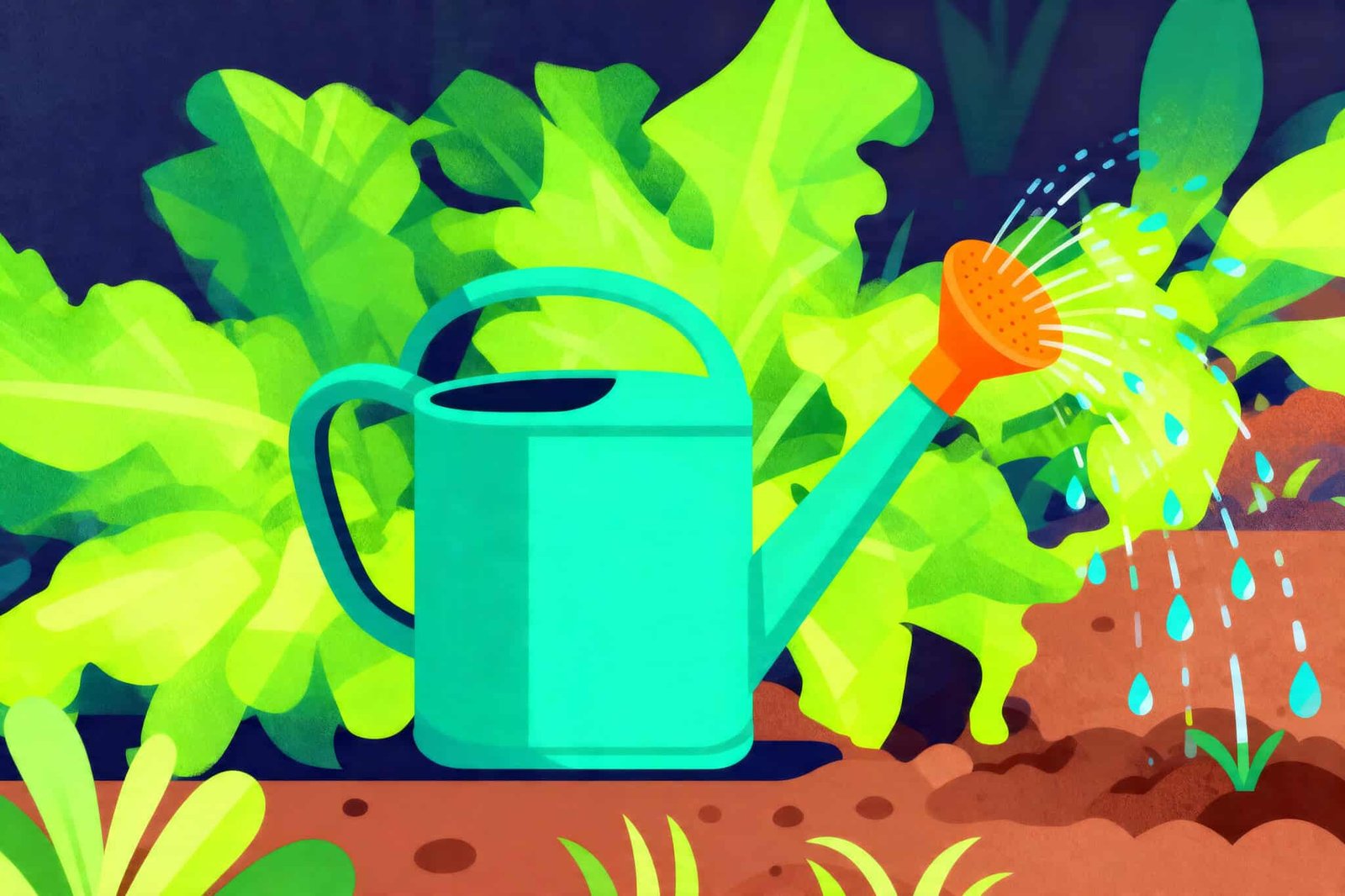
A garden hose makes it easy to use far more water than your plants actually need — it’s difficult to gauge how much is being applied, and it’s tempting to keep going longer than necessary. A watering can gives you much more control. You can measure exactly how much each plant receives, distribute it precisely at the base where it’s needed, and avoid wasting water on surrounding soil, paths or areas with no planting.
It also slows the process down in a useful way. Watering by can encourages you to pay attention to each plant individually — noticing which ones are drying out faster, which are thriving, and adjusting accordingly. It’s a more considered approach that tends to result in better plant health as well as lower water use.
For a wider range of options, our garden watering cans section has a selection worth browsing if you’re looking to replace an old one.
Apply mulch to your beds
Mulching is one of those practices that experienced gardeners swear by, and for good reason. A layer of mulch — bark, compost, wood chip or gravel — applied to the surface of your beds does several useful things at once. It slows evaporation from the soil surface dramatically, which means the water you do apply stays available to roots for much longer. It suppresses weeds that would otherwise compete with your plants for moisture. And over time, organic mulches break down and improve soil structure, which in turn helps the ground retain water more effectively.
A layer of around 5 to 8cm is enough to make a noticeable difference. Apply it after watering so you’re locking moisture in rather than keeping it out, and keep it slightly clear of plant stems to avoid rot.
Choose the right time to water
Timing has a significant effect on how much of the water you apply actually reaches the roots. Watering in the middle of the day, when the sun is at its strongest, means a large proportion evaporates almost immediately. Early morning is the most efficient time — temperatures are lower, evaporation is minimal, and plants have moisture available to them as the day warms up. If mornings aren’t practical, early evening works reasonably well, though consistently damp foliage overnight can encourage fungal problems in some plants.
Consider a drip system for beds and borders
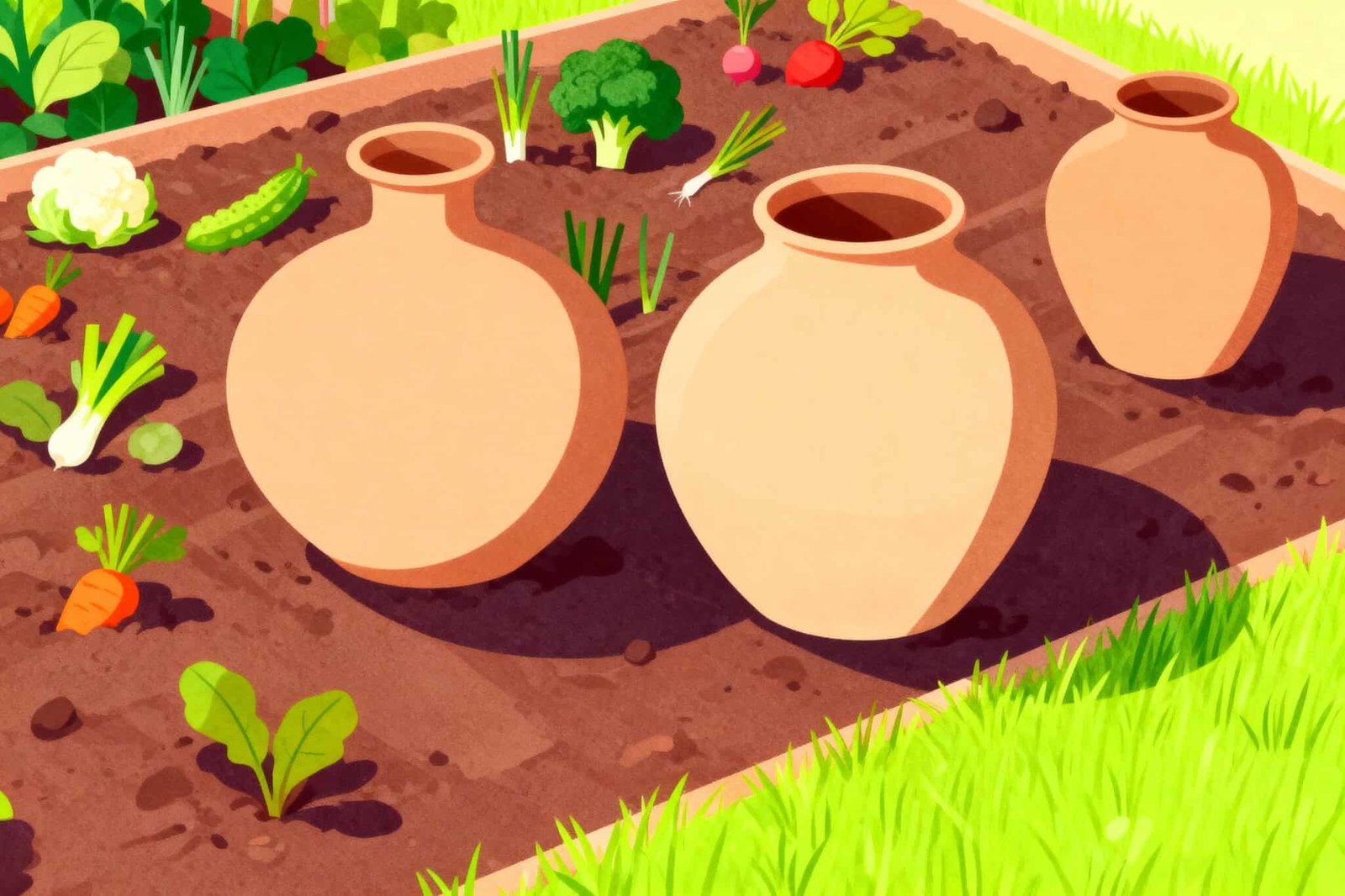
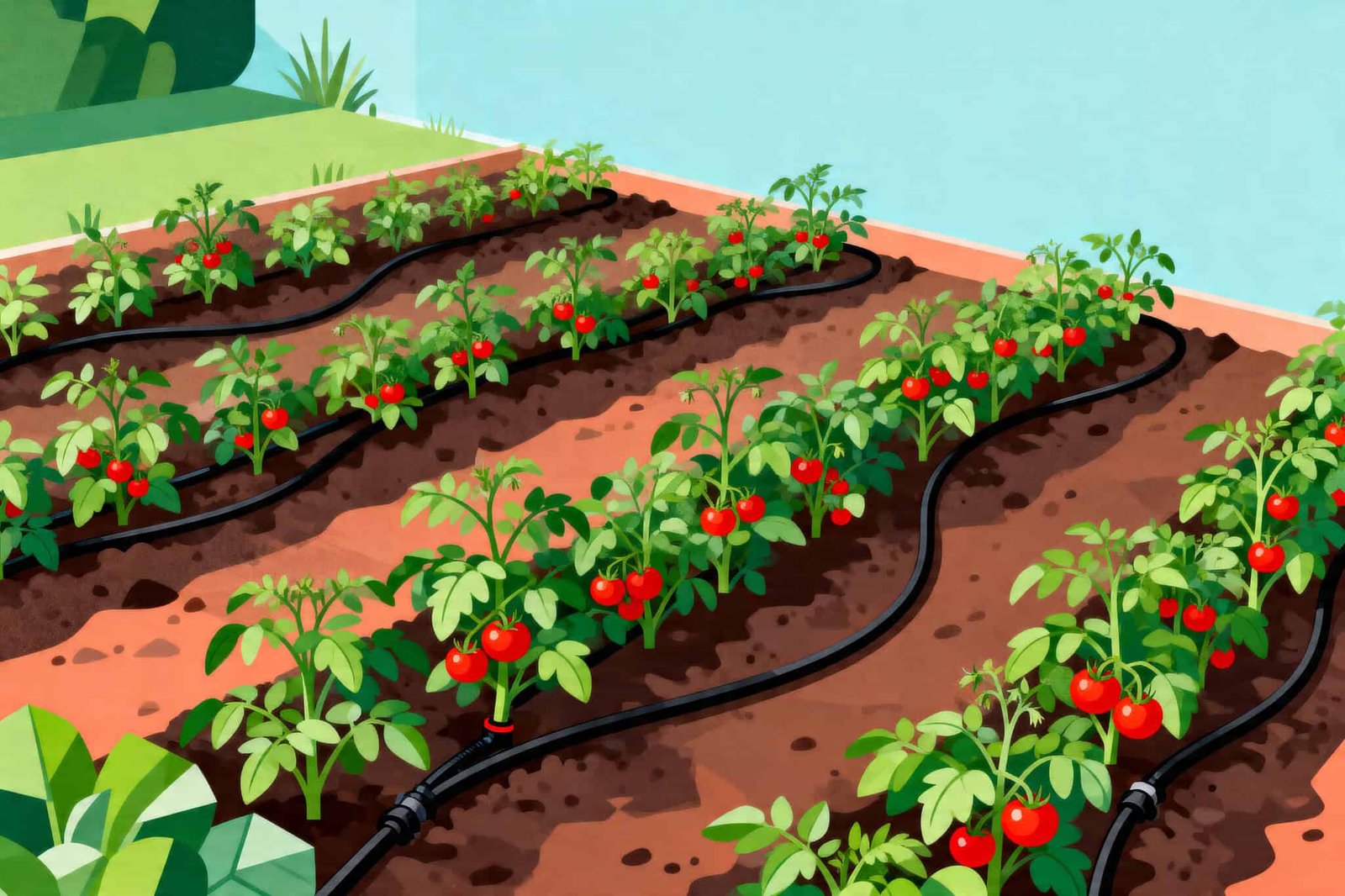
For larger gardens or vegetable plots, a drip irrigation system removes a lot of the effort and guesswork from watering altogether. Water is delivered slowly and directly to the root zone of each plant, which means very little is lost to evaporation or runoff. It’s a more efficient delivery method than almost anything else available, and timer-controlled systems mean your garden gets watered consistently even when you’re not around. Our guide to the advantages of drip irrigation is worth reading if you’re considering this as an option.
Harvest rainwater
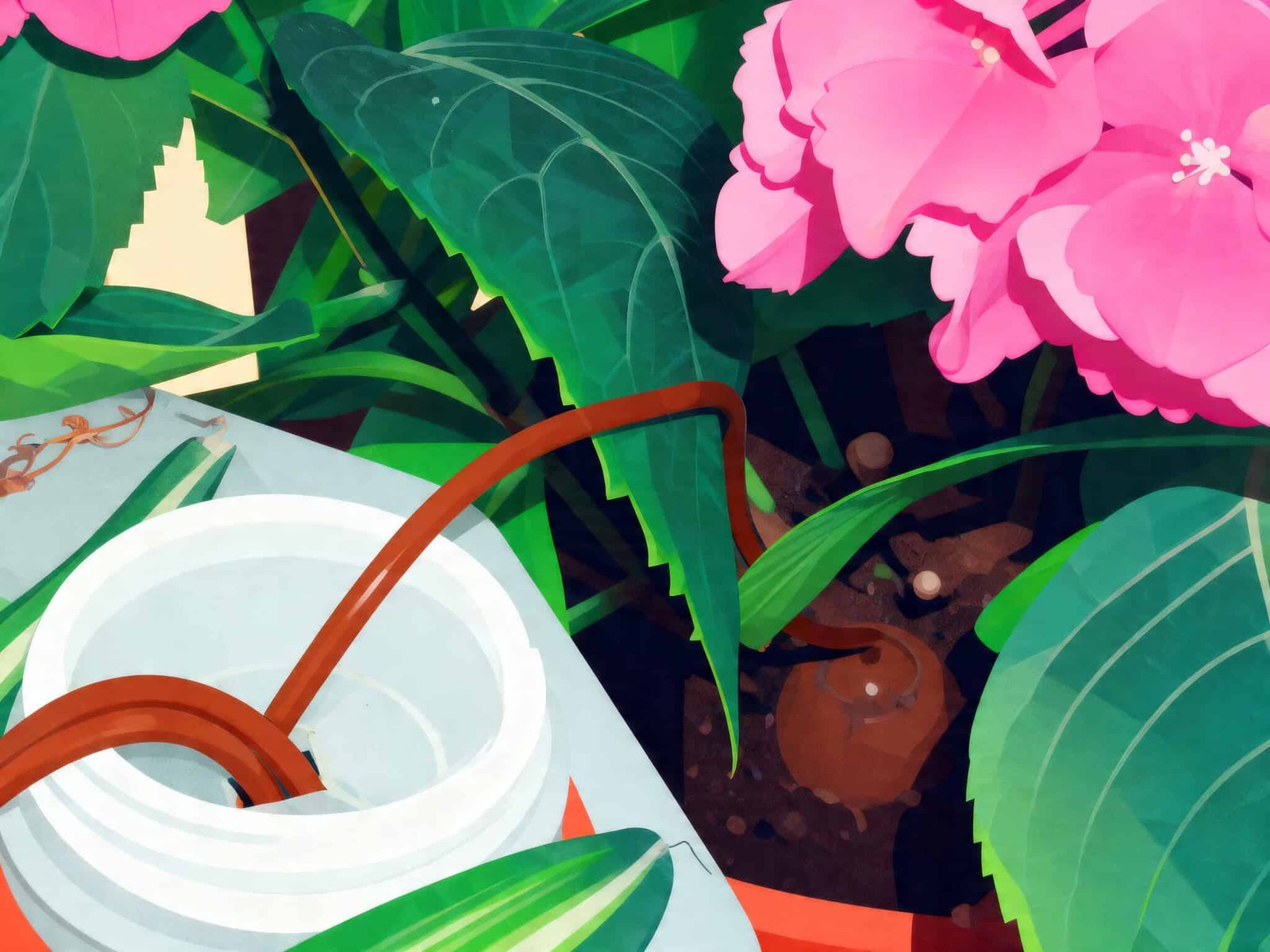
Collecting rainwater is one of the oldest and most effective ways to reduce reliance on the tap. A rain barrel positioned beneath a downspout can hold dozens of gallons from a single decent rainfall, giving you a free, readily available supply of soft water that your plants will respond well to. For more on setting one up, our rainwater harvesting guide covers everything you need to know.
Small adjustments to how and when you water can add up to a meaningful reduction in water use over a season — without your garden looking any worse for it.