Choosing the right plants is one of the most effective things you can do for a more sustainable garden. Watering wisely matters, but if the plants you’re growing are naturally thirsty, you’ll always be fighting an uphill battle. Drought-resistant species take a lot of that pressure away — they’re adapted to survive with minimal moisture, which means less time spent watering, lower water bills, and a garden that holds up better during dry summers.
The good news is that drought-resistant doesn’t mean dull. There’s a wide range of trees, shrubs and plants that thrive in dry conditions while still offering genuine beauty, structure and colour throughout the year.
Trees
- Scots Pine is one of the most reliably drought-tolerant trees available and works well as either a standalone specimen or as part of a windbreak. It’s hardy, long-lived, and gives year-round structure to a garden.
- Rocky Mountain Juniper is another excellent choice — a tough, dense tree that asks very little in return. It establishes easily, copes well with poor soils, and its compact form makes it suitable for gardens that don’t have room for something more spreading.
- Green Ash is a deciduous option worth considering if you want seasonal interest. It colours well in autumn and manages comfortably in drier conditions once it’s had time to establish.
- Ponderosa Pine is a more substantial tree — it can reach considerable heights in the right conditions — and suits larger gardens or boundary planting. It performs best in full sun but shows a reasonable tolerance for partial shade too.
Shrubs
- Nanking Cherry is a dense, rounded shrub that earns its place in the garden across multiple seasons. In spring it’s covered in small pink blossoms, and by late summer those give way to tiny cherries that weigh the branches down attractively. It typically reaches around seven or eight feet and needs very little attention once established.
- Common Lilac is a classic for good reason. It’s tough, unfussy, and produces flowers in a range of colours from deep purple through to white and soft red. The fragrance alone makes it worth growing, and it’s remarkably resilient in dry conditions for something that looks so lush in full bloom.
- Rosemary deserves a mention here too — it’s native to the dry hillsides of the Mediterranean and is about as drought-tolerant as a shrub gets. It’s evergreen, aromatic, useful in the kitchen, and the bees love it. Hard to find a reason not to grow it.
Plants and Perennials
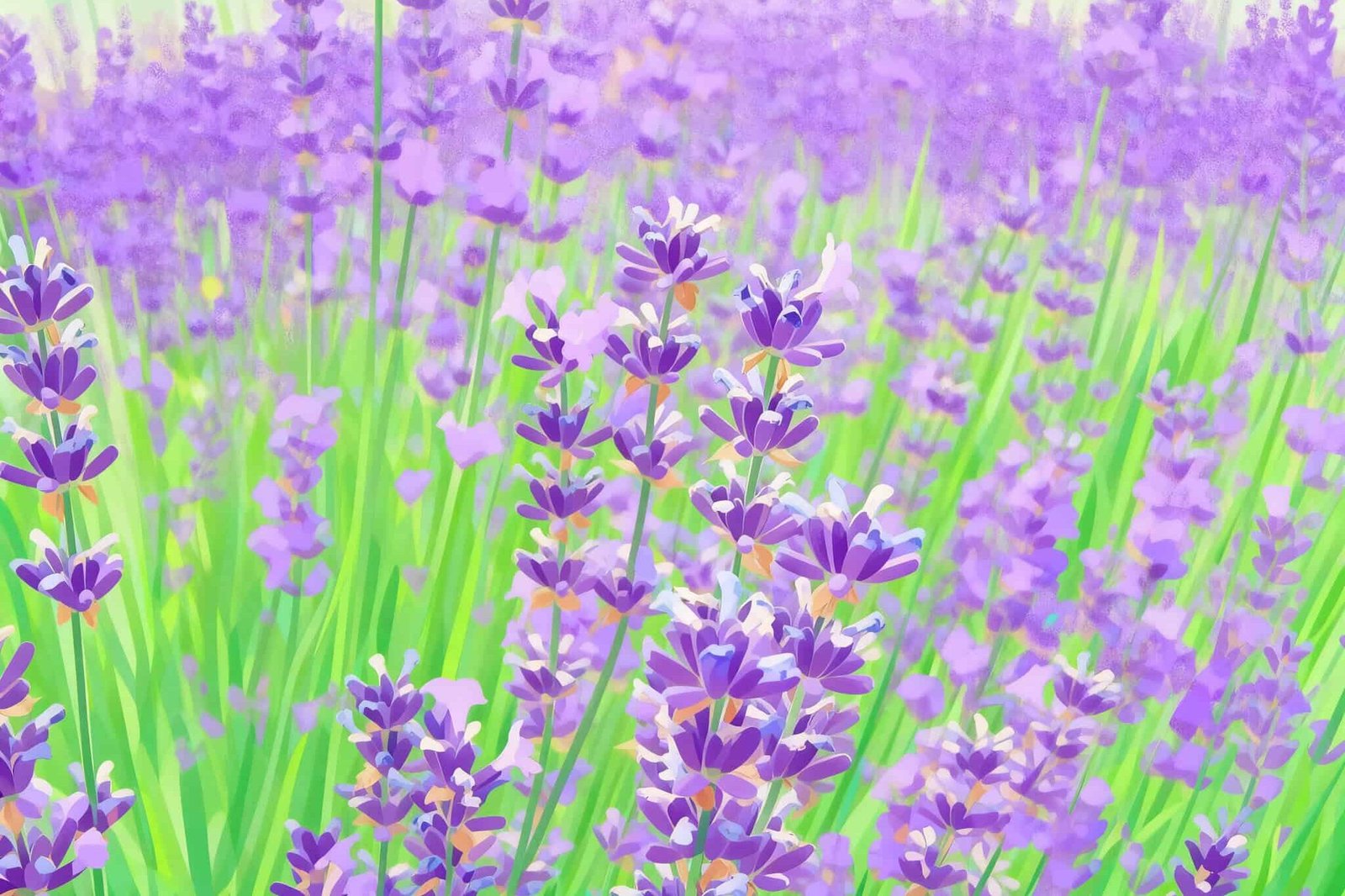
- Lavender is probably the most familiar drought-resistant plant, and its reputation is well earned. It thrives in poor, dry soil, produces beautiful purple flowers from early summer, and smells extraordinary. It also attracts pollinators in significant numbers, which benefits the wider garden. Plant it in full sun and give it good drainage and it will reward you for years.
- Yarrow is another reliable performer in dry conditions. It comes in a range of colours beyond the traditional yellow — whites, pinks and reds are all available — and it flowers prolifically through summer without needing much encouragement. It’s also very good at self-sustaining once it gets going.
- Echinacea (coneflower) has become increasingly popular in recent years and for good reason. It handles heat and drought well, flowers over a long period, and the seedheads provide food for birds into winter. It works particularly well in naturalistic planting schemes alongside grasses and other prairie-style perennials.
- Sedum is worth considering for drier, sunnier spots — particularly the taller upright varieties that flower in late summer and autumn when many other plants are fading. Extremely low maintenance and very effective at the front of a border.
A garden that works with the weather rather than against it
The plants listed here are just a starting point — there are many more drought-resistant species worth exploring depending on your soil type, aspect and climate. The principle, though, is the same across all of them: choose plants that are naturally suited to the conditions in your garden, and you’ll spend far less time and water keeping them alive.
If you’re interested in reducing water use more broadly, our guides on rainwater harvesting and eco-friendly garden watering are worth a read alongside this one.
Illustration based on a photo by ArmbrustAnna via Pixabay; image used for editorial purposes with no endorsement implied.