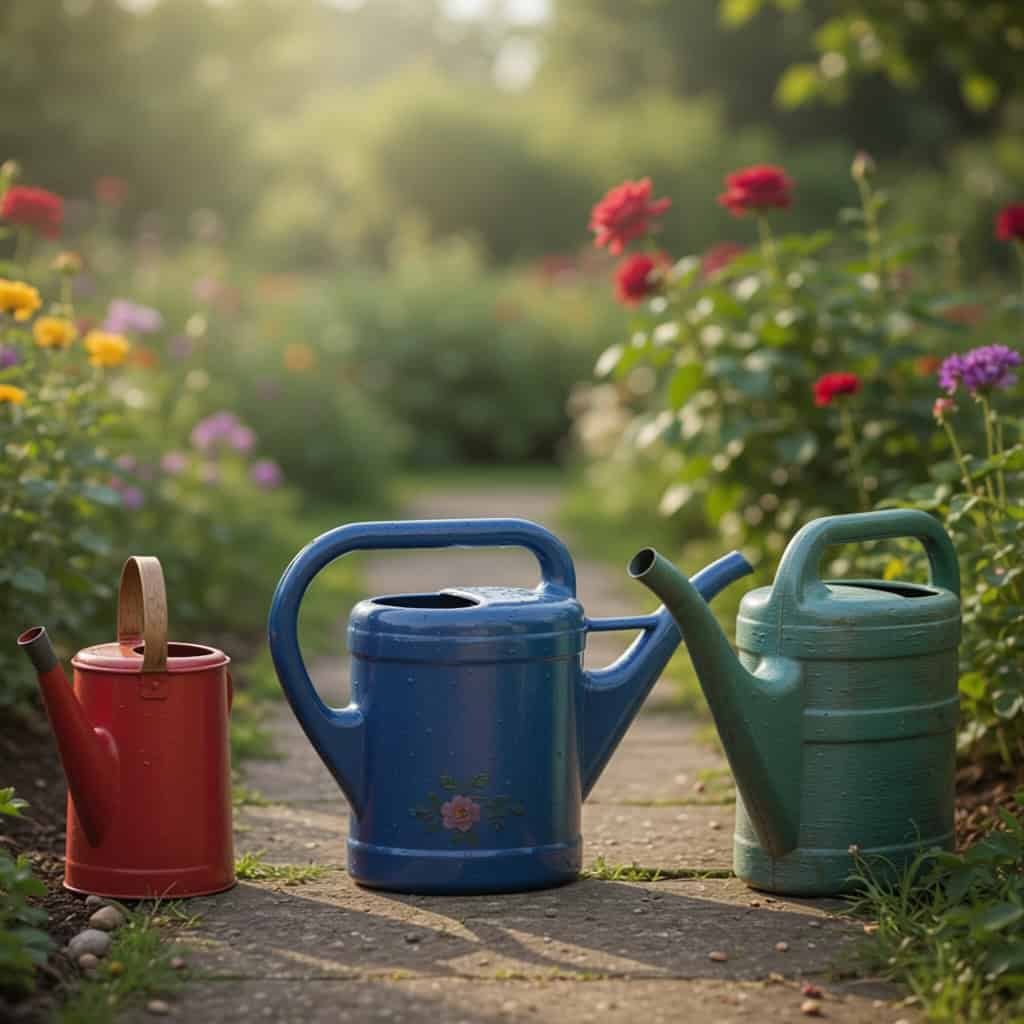
A watering can seems like the simplest tool in the garden, and in many ways it is — but the differences between a well-chosen can and a poorly chosen one show up quickly in practice. Weight, balance, pour control, nozzle type — these things matter more than they might seem, particularly if you’re using one regularly or have a large number of plants to work through.
From lightweight plastic cans for indoor use to robust galvanised steel cans built for decades of outdoor work, the range available covers every kind of gardener and every kind of garden.
The Qilebi range of precision long-spout plastic cans has built a strong following among houseplant enthusiasts and balcony gardeners who need control and lightness above all else. The 14-inch spout reaches easily into crowded arrangements and beneath trailing foliage, the detachable shower nozzle switches between a gentle spray and a steady stream, and the range covers everything from compact 1-litre indoor cans to generous 2-gallon outdoor models. Available in a wide range of colours and very well reviewed on Amazon, they’re a practical, stylish choice for everyday use.

- Built tough for big watering jobs: This watering can has thickened PP resin walls to resist crushing and bending; 2 gall…
- Different watering modes for care: This 2 gallon watering can has a detachable shower head for a gentle rain spray; remo…
- Precise watering with long spout: This plant watering can has a removable long spout for easy storage; install by fittin…
Haws is the name that serious gardeners keep coming back to. Founded in London in 1886, it’s the world’s oldest watering can manufacturer — and remarkably, the original design patented by John Haws is virtually unchanged today.

- PERFECT FOR INDOOR PLANTS – The Haws miniature watering can is a small, well-balanced, mini version of the classic haws …
- REMOVABLE BRASS FACED ROSE – Our rust-proof rose features precisely drilled holes for a consistent sprinkle when waterin…
- CONSISTENT FLOW – The Haws Mini Water Can features a long spout to provide a consistent, yet soft flow so you can avoid …
What should you look for in a watering can?
Material
The material a watering can is made from affects everything from its weight and durability to how it looks in the garden — and each option has genuine trade-offs worth understanding.
- Plastic is the most common choice and for good reason. It’s lightweight, inexpensive, and resistant to rust. A plastic can is significantly easier to carry when full, which matters more than most people anticipate — a 10-litre can full of water weighs around 10kg regardless of what it’s made from, and a heavier can adds to that considerably. The drawback is longevity — cheaper plastic cans can become brittle over time, particularly when left in direct sunlight, and they rarely have the satisfying feel of a better-made alternative.
- Galvanised steel is the classic choice for outdoor use. It’s robust, long-lasting, and has an aesthetic that suits a traditional garden well. The trade-off is weight — a steel can is noticeably heavier than a plastic equivalent before you add any water, which can be a real consideration for older gardeners or anyone with limited grip strength or joint issues. Kept dry between uses, a good steel can will last for many years.
- Copper sits at the premium end of the market. It’s beautiful, develops a natural patina over time, and is genuinely durable. It’s also heavy and expensive — better suited to someone who wants a statement piece for a well-tended kitchen garden than a workhorse for daily use across a large plot.
- Recycled plastic and sustainable materials are becoming increasingly available and worth considering for eco-conscious gardeners. Quality varies considerably, so it’s worth checking reviews before buying.

- Flexible watering options: This watering can features a detachable shower head that switches between a direct stream and…
- Precision with long spout: This plant watering can features a long spout that reaches deep into pots and corners, delive…
- Right-size for daily watering: This small watering can holds 1.8L for several pots in one go, saving refill trips withou…
Capacity and weight
This is where a lot of people make the wrong choice. A larger can means fewer trips to the tap, which is appealing in theory — but a 10-litre can full of water weighs around 10kg, and carrying that at arm’s length across a garden puts real strain on wrists, elbows and shoulders. For older gardeners, or anyone with arthritis or limited upper body strength, a smaller 5-litre can used more frequently is a considerably more practical and comfortable choice. Children gardening alongside adults are better served by a 1 or 2-litre can they can actually manage properly.
Balance matters as much as capacity. A well-designed can distributes weight evenly when full, sitting comfortably in the hand without pulling awkwardly to one side. Poorly balanced cans — often cheaper models — become tiring to use quickly.
Nozzles and roses
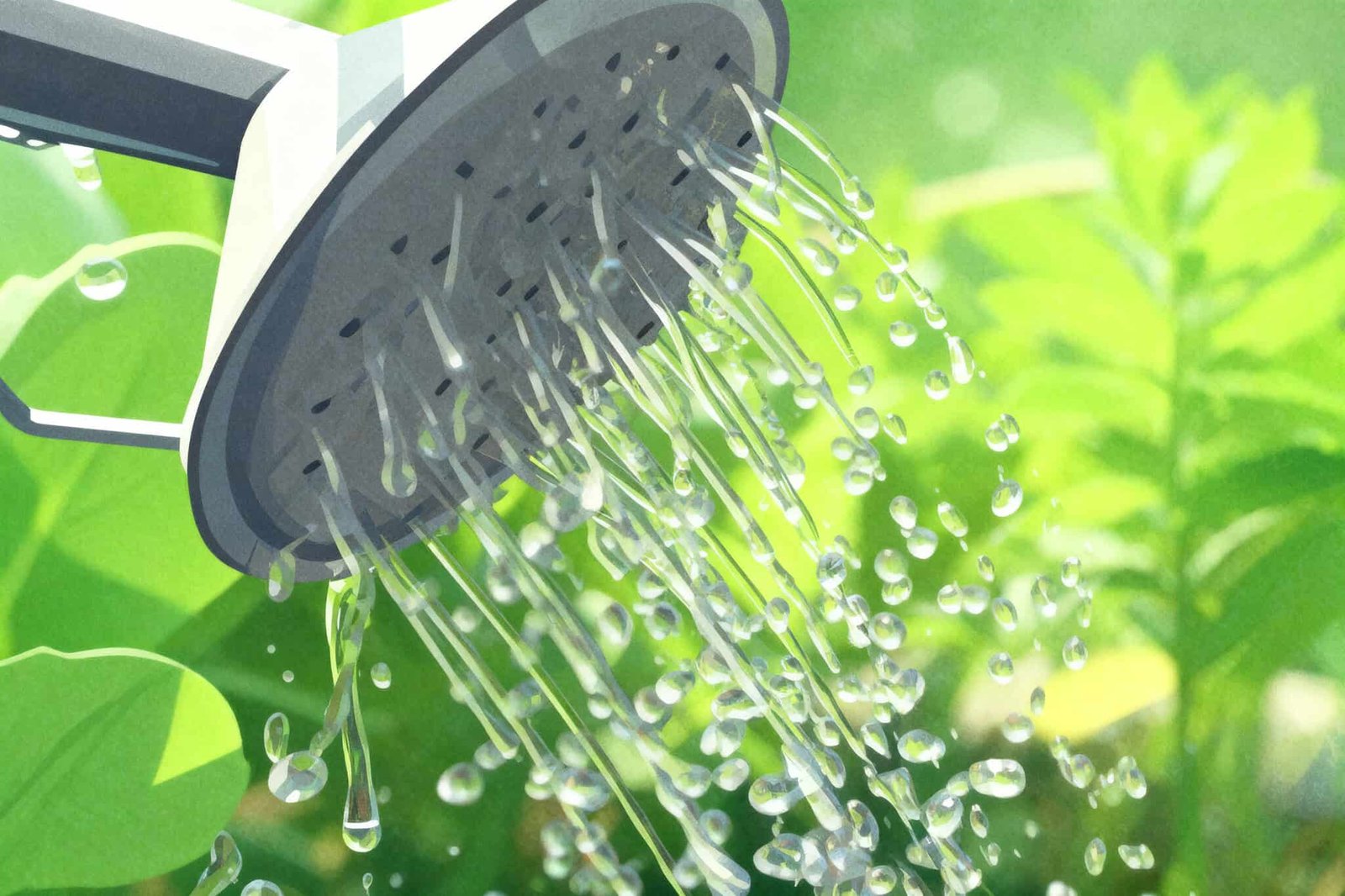
The rose — the sprinkler head that fits onto the spout — makes a significant difference to how a watering can performs for different tasks.
A fine rose produces a gentle, shower-like spray that’s ideal for seedlings, newly sown seeds, and delicate plants that would be damaged or displaced by a heavier flow. Most good quality cans include a detachable rose so you can switch between a directed flow and a gentle spray depending on what you’re watering.
A longer, curved spout is useful for reaching into the back of deep borders or beneath the foliage of larger plants without disturbing them. For indoor use, a narrow spout with good precision gives you the control needed to water individual pots without soaking surrounding surfaces.
Indoor versus outdoor use
Indoor watering cans are typically smaller, lighter and designed with precision in mind — a long, narrow spout that lets you direct water exactly where you want it without splashing onto floors or furniture. Capacity is usually 1 to 2 litres, which is adequate for most houseplant collections and easy to carry without strain.
Outdoor cans prioritise capacity and durability. A 7 to 10-litre can with a detachable rose and a comfortable two-handle design — one on the back, one on the top — gives you the control and volume needed for borders, vegetable beds and container plants without making too many trips back to the tap.
More about watering cans
The best watering can is ultimately the one you’ll actually use regularly without it becoming a chore. For most gardeners that means finding the right balance between capacity and weight — generous enough to cover a reasonable area per fill, light enough to carry comfortably when full.
It’s also worth thinking about where you’ll store it. A can that lives outdoors year-round needs to be weather-resistant. A plastic can left in full sun for years will degrade faster than one kept in a shed or greenhouse between uses. Steel and copper cans are better suited to outdoor storage but benefit from being emptied and kept dry to prevent rust forming on the inside.
A good watering can, properly looked after, is one of those tools that lasts for years and repays the initial investment many times over.
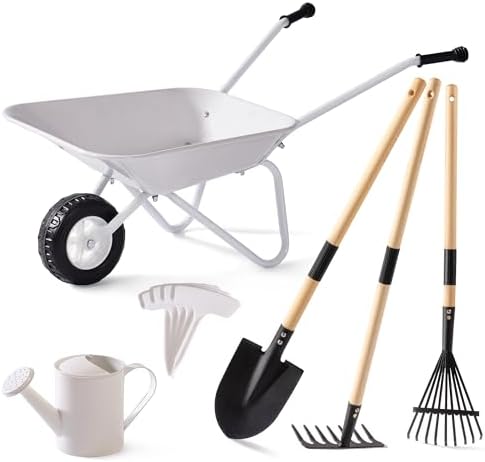
Watering cans for children
Getting children involved in watering is one of the best ways to encourage a love of gardening early on — and a can sized for small hands makes all the difference.