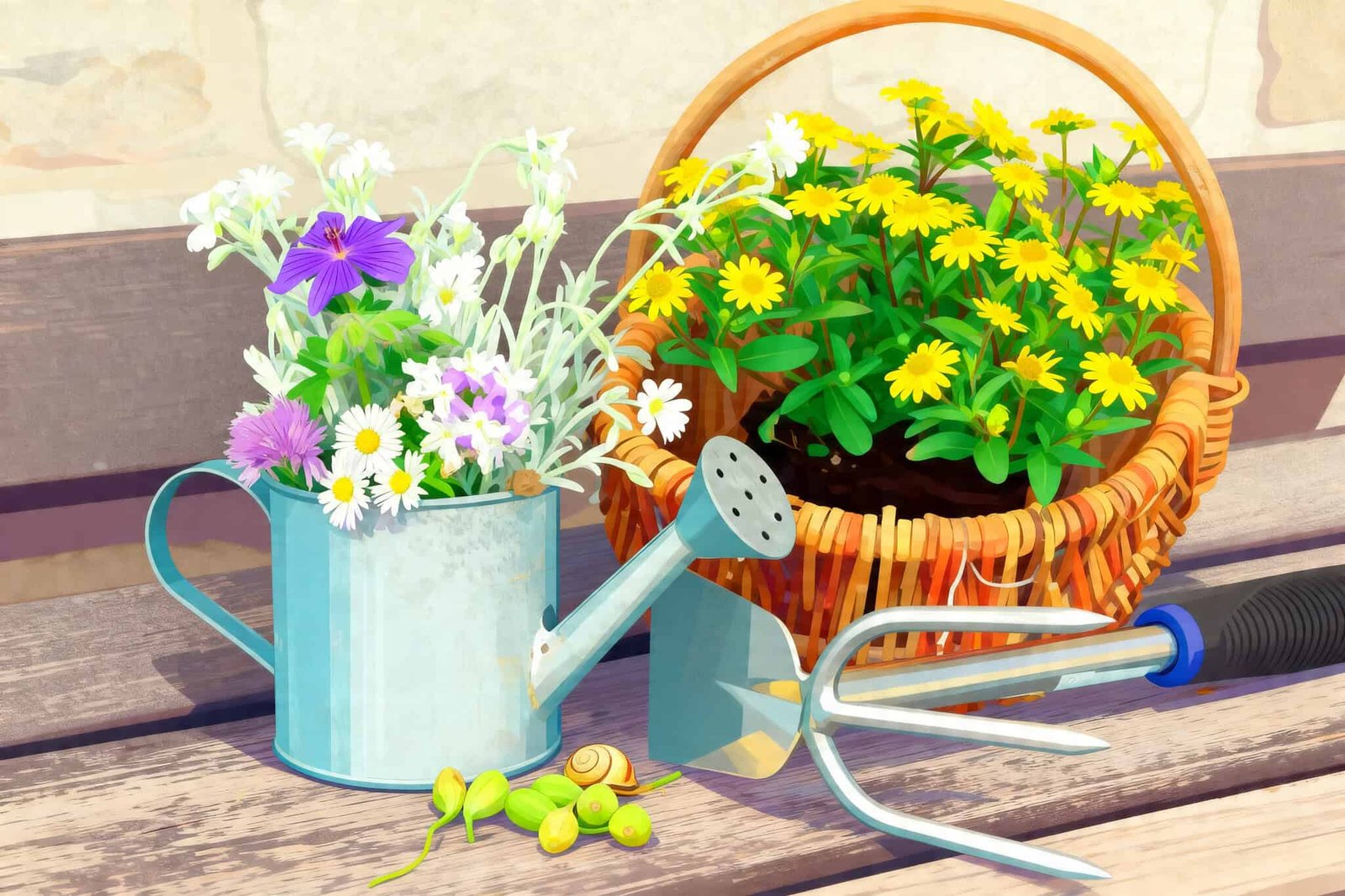
Container gardening on a balcony or terrace is one of the most rewarding things you can do with a small urban space. A well-tended balcony garden can be genuinely beautiful — a green retreat above the rooftops that’s entirely your own. But anyone who has tried it seriously will tell you that keeping container plants properly watered is one of the bigger challenges involved.
Containers dry out far more quickly than ground-level beds. They’re exposed on all sides, often in full sun, with a limited volume of soil to hold moisture. In warm weather, some plants may need watering daily — which is fine if you’re around, but becomes a real problem the moment you’re busy, travelling, or simply caught out by an unexpectedly hot week.
The good news is that there are several practical systems designed specifically for this situation, and most of them are affordable and straightforward to set up.
Patio drip systems
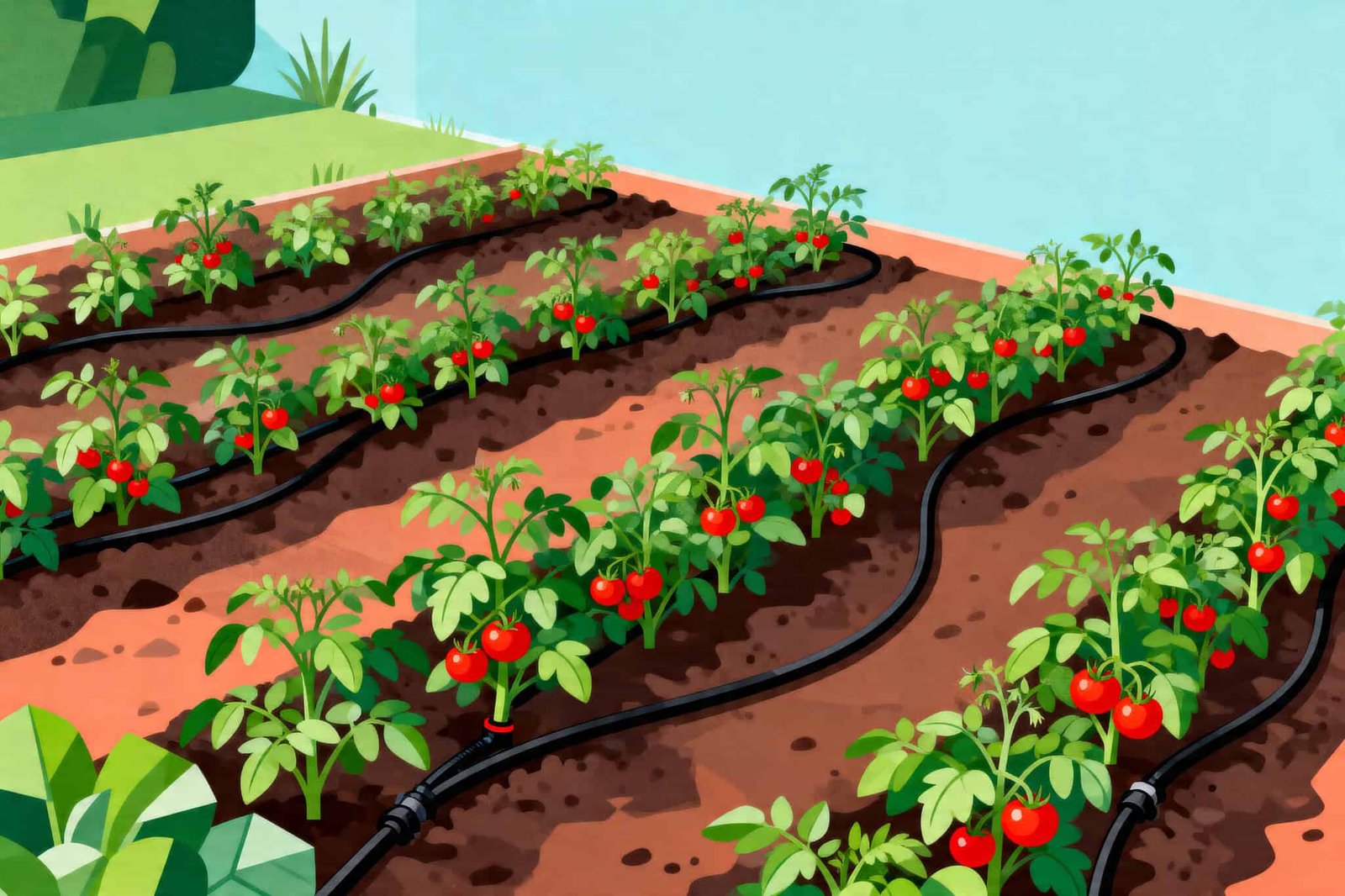
A patio drip system is one of the most effective solutions for a balcony or terrace with multiple containers. A network of narrow tubing runs from a central water source — typically an outdoor tap or large water reservoir — with individual drip nozzles positioned at the base of each pot. Water is delivered slowly and directly to the soil, which means very little is lost to evaporation and each plant gets a consistent supply.
Basic drip systems require you to turn them on and off manually, but timer-controlled versions are widely available and not significantly more expensive. A timer removes the daily responsibility entirely — you set the frequency and duration once, and the system takes care of the rest. For anyone with a busy schedule or a tendency to forget, it’s a worthwhile upgrade. Our patio drip systems section has a range of options worth looking at if you’re considering this route.
Self-watering containers
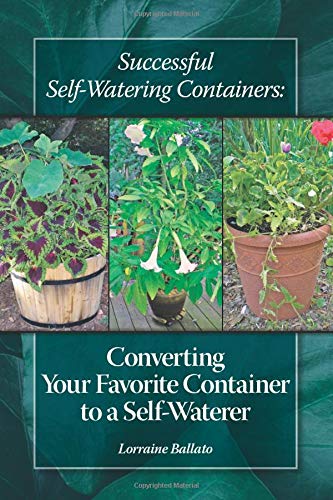
Self-watering planters take a different approach, building the watering system into the pot itself. Each planter has a water reservoir in its base, separated from the soil above by a wicking layer that draws moisture upward to the roots as the soil dries out. The plant takes what it needs, when it needs it, rather than receiving a fixed amount on a schedule.
The practical benefit is significant — most self-watering planters only need their reservoir refilling once or twice a week, even in warm weather, compared to the daily watering that standard containers often require. They’re also more forgiving if you’re away for a few days, since the reservoir acts as a buffer. For balcony gardeners who want less daily maintenance without compromising on plant health, they’re one of the better investments you can make.
Moisture retaining crystals
For existing containers that you don’t want to replace, moisture retaining crystals — sometimes called water retaining gel — are a simple and inexpensive way to extend the time between waterings. Mixed into the compost when planting, the crystals absorb water and swell into a gel, releasing moisture slowly back into the soil as it dries out around the roots.
They won’t replace a proper watering system for plants with high water needs, but for most balcony plants they can meaningfully reduce how often watering is required — often shifting from daily to every few days. They’re particularly useful for hanging baskets and smaller containers that dry out especially quickly.
Watering spikes and probes
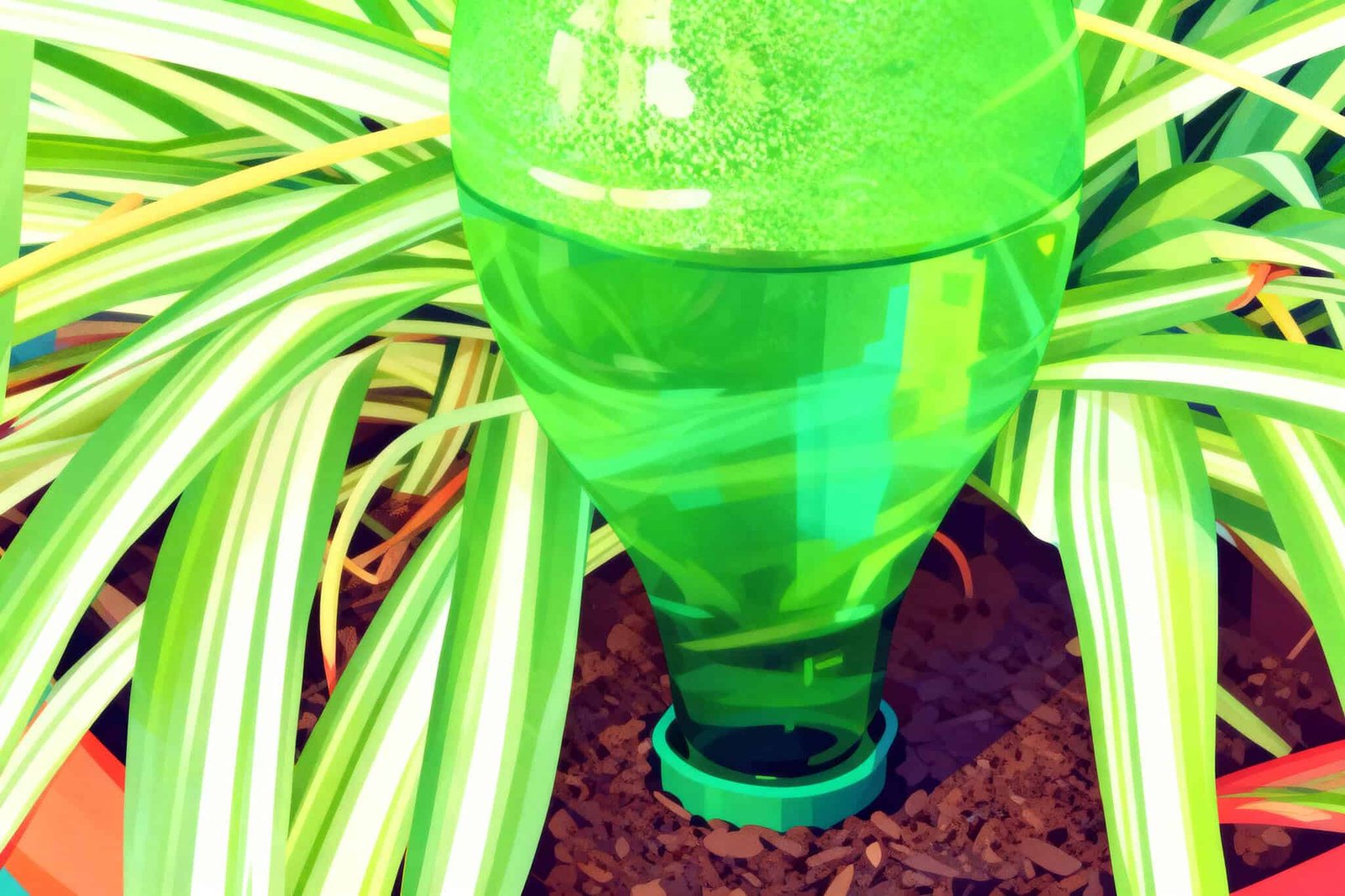
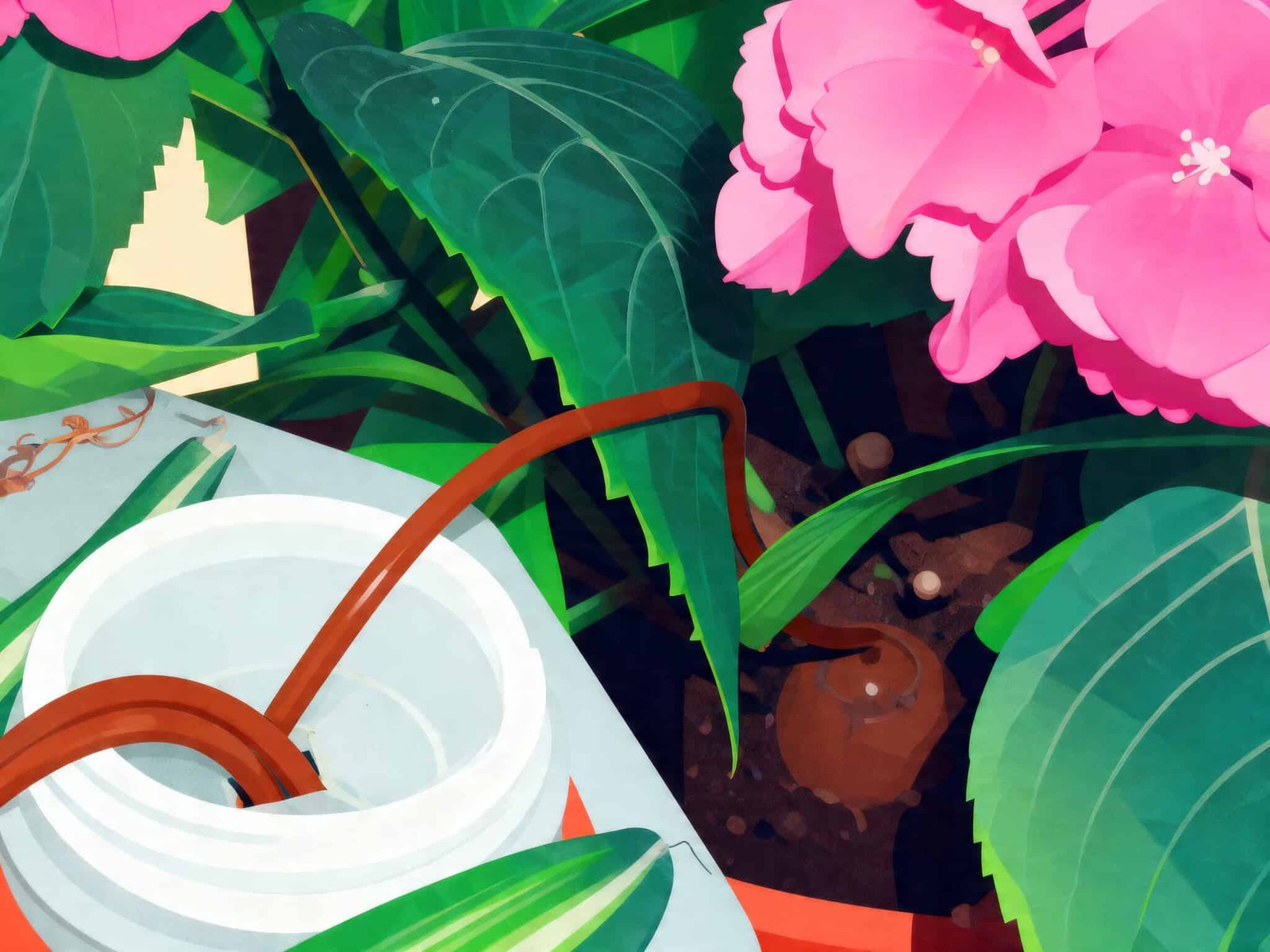
For individual plants that need particular attention, a watering spike is a neat solution. A ceramic spike pushed into the soil connects to an inverted water bottle or dedicated reservoir, releasing moisture slowly over several days as the soil draws it in. They’re inexpensive, unobtrusive, and work well alongside other systems for plants that are especially thirsty or valuable.
A few additional tips for balcony gardeners
Beyond the systems themselves, a couple of habits make a noticeable difference. Grouping containers together reduces the exposed surface area and creates a slightly more humid microclimate around the plants, which slows moisture loss. Adding a layer of gravel or bark mulch to the top of each pot also helps retain moisture and reduces evaporation from the soil surface on hot days.
Choosing the right compost matters too — a good quality peat-free compost with reasonable water retention will hold moisture far better than cheap alternatives, which often dry out quickly and become hydrophobic once they do.
Balcony and terrace gardening takes more effort than a conventional garden, but with the right systems in place the watering side of things becomes much more manageable. The key is finding the combination that fits your routine — and making sure your plants aren’t entirely dependent on you remembering to water them every single day.
Illustration based on a photo by congerdesign via Pixabay; image used for editorial purposes with no endorsement implied.