If you’ve ever spent a summer morning working your way around a garden with a watering can, giving each plant its turn while trying not to overdo it or miss anything, you’ll appreciate the appeal of a drip irrigation system. It’s one of those garden investments that sounds like a luxury until you’ve used one — and then it’s hard to imagine going back.
Drip irrigation isn’t complicated, and it isn’t just for large gardens or serious growers. From a small balcony setup to a full vegetable plot, the principles are the same and the benefits are real.
How a drip irrigation system actually works
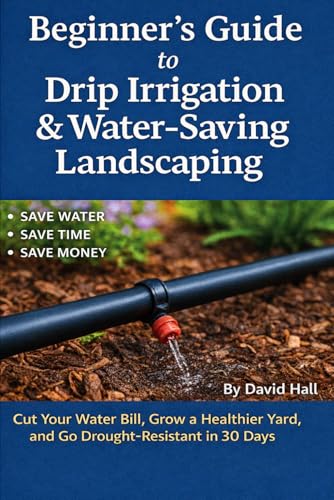
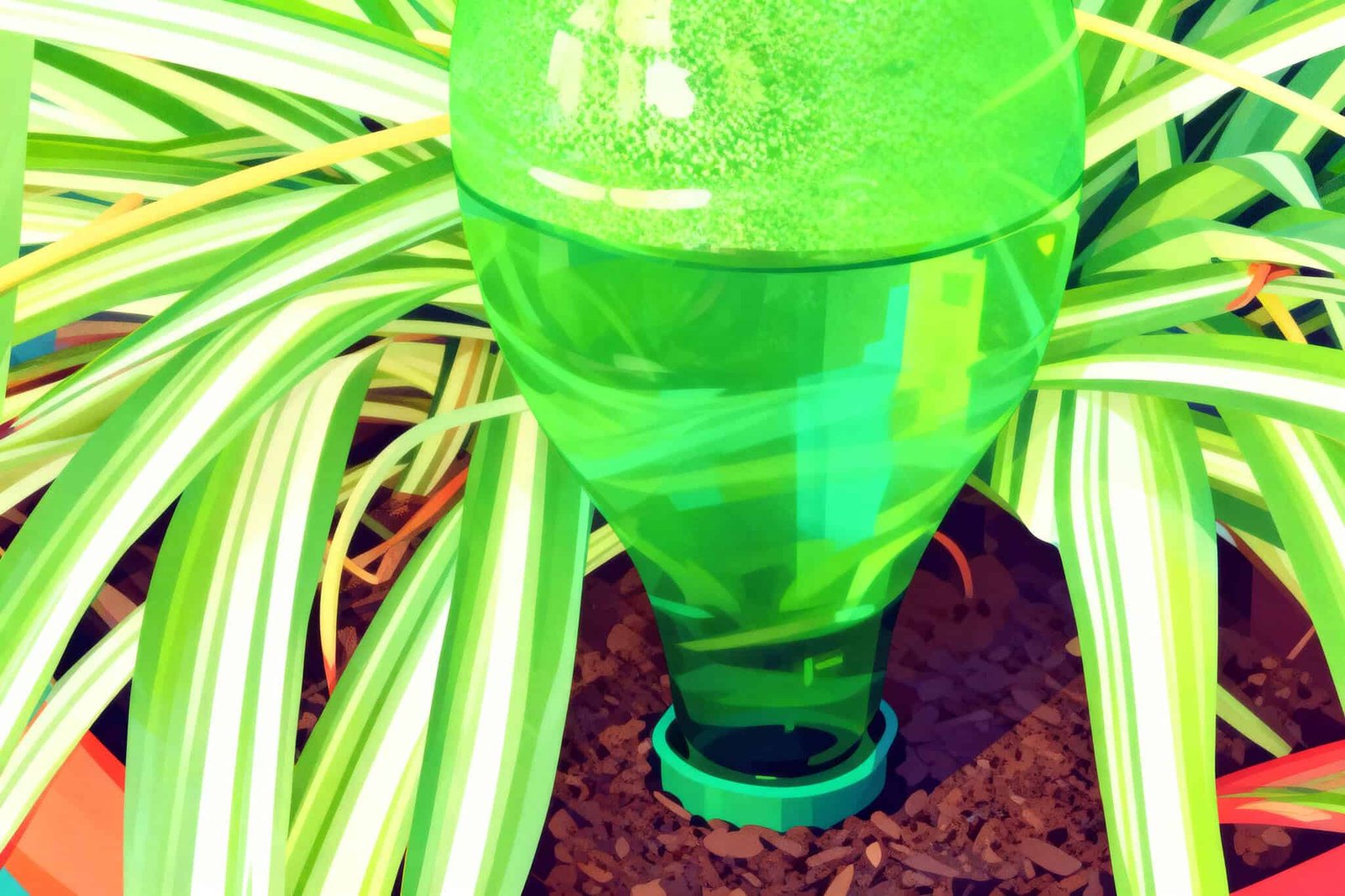
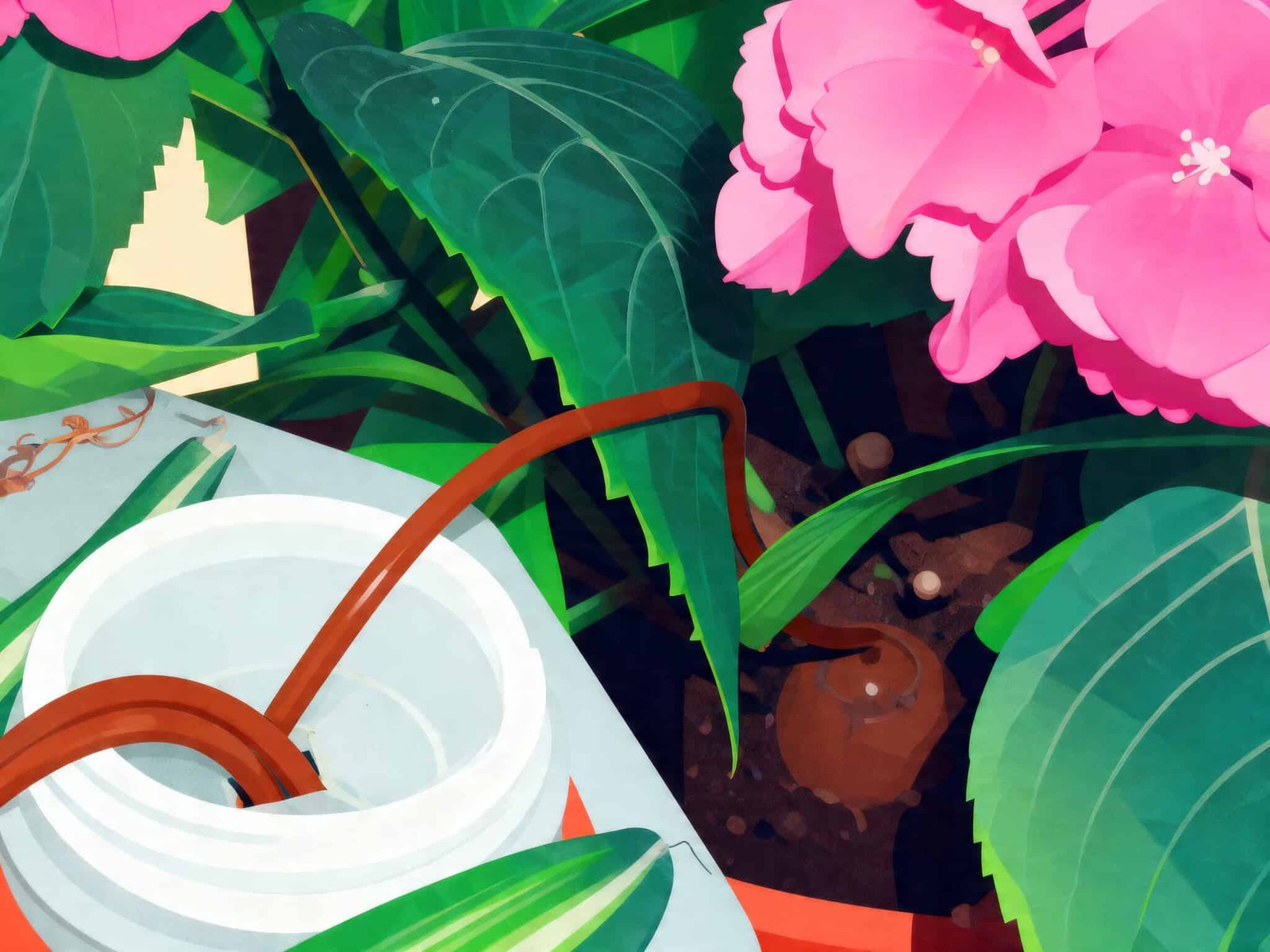
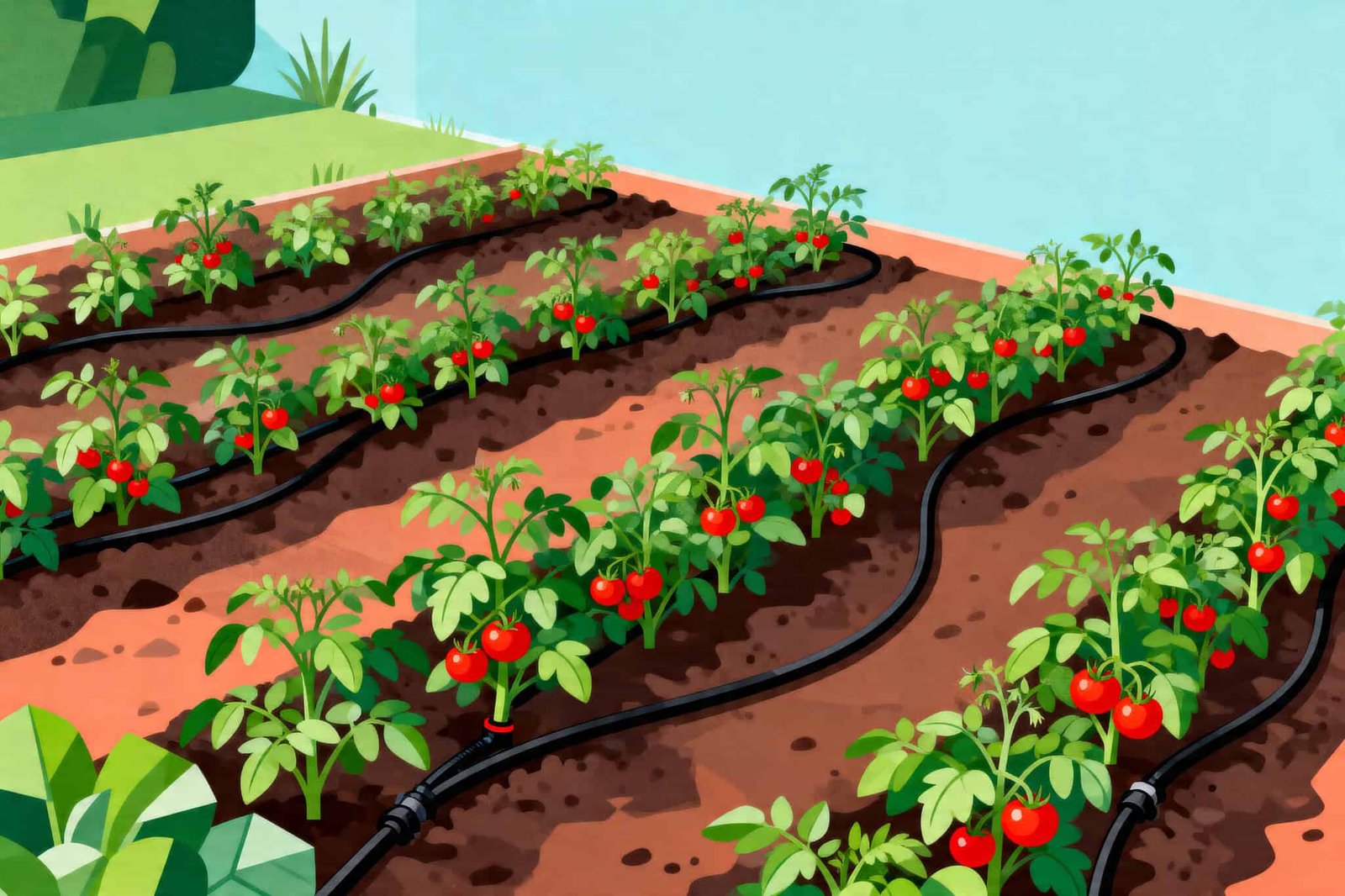
At its simplest, a drip system consists of a network of tubing connected to a water source — typically an outdoor tap — with small emitters or holes positioned at intervals along the line. When the water is turned on, it travels through the tubing and drips slowly and steadily from each emitter directly onto the soil below.
The flow rate is low by design. Rather than flooding the surface and hoping the water soaks in before it runs off, a drip system delivers moisture gradually, giving the soil time to absorb it properly. The result is water delivered exactly where it’s needed, at a rate the ground can actually use.
Most basic systems require you to turn them on and off manually, but adding a timer — usually an inexpensive device that fits between the tap and the tubing — makes the whole thing automatic. Set the frequency and duration once and the system runs itself, which transforms it from a convenient tool into a genuinely hands-off solution.
Water goes where it’s actually needed
One of the most significant advantages of drip irrigation over other watering methods is precision. A sprinkler covers a wide area indiscriminately — some of that water lands on plant foliage, some on paths and hard surfaces, some on bare soil between plants where it serves no purpose. In dry or warm conditions, a significant proportion evaporates before it reaches any roots at all.
A drip system puts water exactly where you direct it. Emitters can be positioned at the base of individual plants, targeting the root zone directly and avoiding everything around it. This is particularly valuable in raised beds, container gardens and vegetable plots where you want moisture concentrated in specific areas rather than spread broadly.
It also means far less water is wasted — which is better for the environment and, over time, noticeably better for your water bill.
Healthier plants with less effort
Consistent moisture is one of the most important factors in plant health, and it’s also one of the hardest things to maintain manually. Hand watering tends to be irregular — a thorough session one day, a quick top-up the next, nothing the day after that. Plants don’t thrive on that kind of inconsistency, particularly vegetables and fruiting plants that need steady moisture to develop properly.
A drip system on a timer delivers the same amount of water at the same time every day, which gives roots a reliable supply to draw from. The consistency alone tends to produce noticeably better results — stronger growth, fewer problems with blossom end rot in tomatoes, less stress on plants during warm spells.
Keeping water off the foliage is another benefit worth mentioning. Overhead watering — whether by hose, can or sprinkler — leaves moisture sitting on leaves, which can encourage fungal disease over time. Drip irrigation keeps water at soil level, which reduces that risk considerably.
Practical for all kinds of gardens
Drip systems are often associated with large vegetable gardens or professional growing setups, but they work just as well on a smaller scale. For balcony and terrace gardens in particular, where containers dry out quickly and daily watering can become genuinely demanding, a patio drip system is one of the most practical solutions available. Our range of garden drip systems and patio drip systems covers options for different setups and garden sizes.
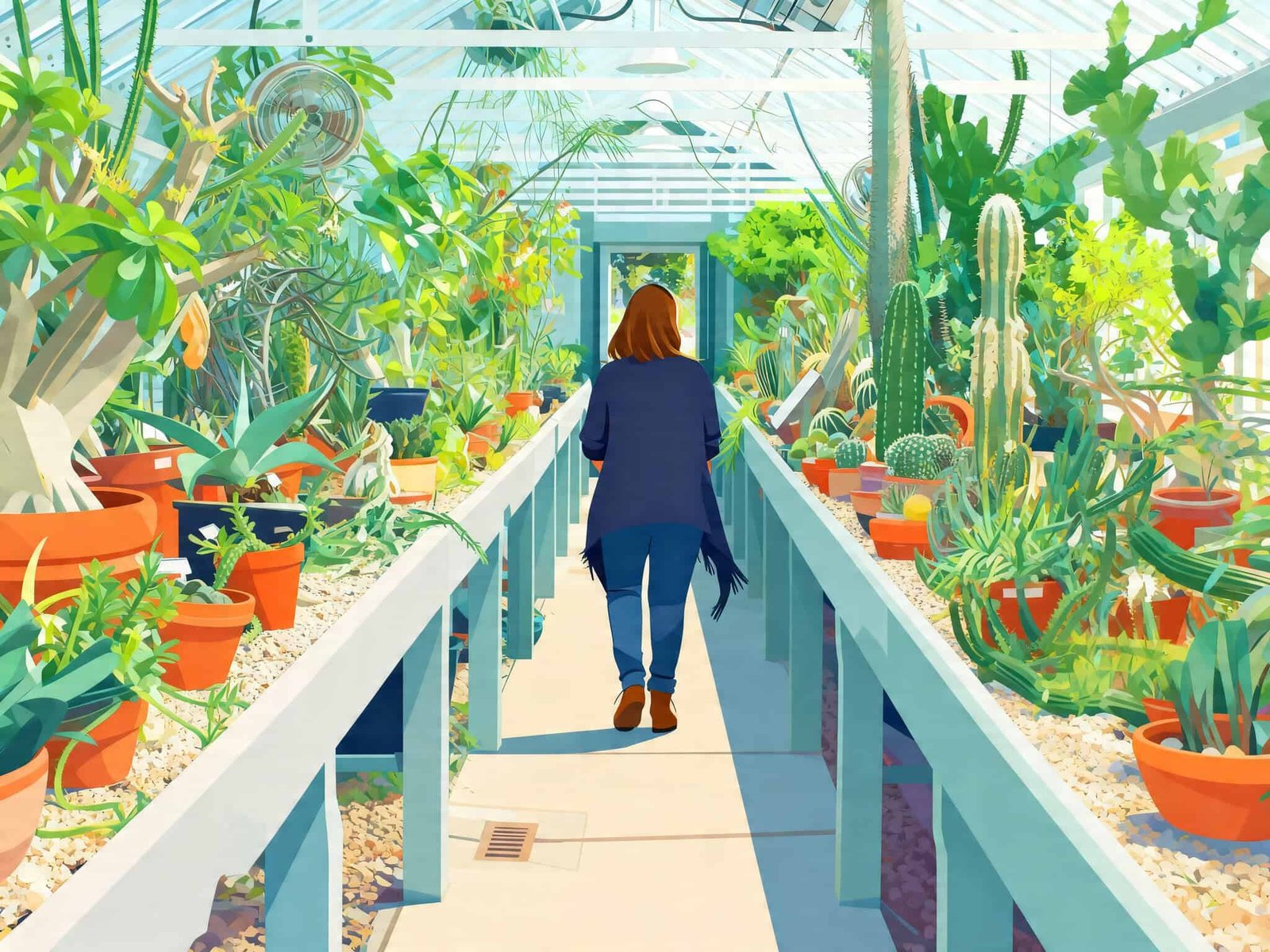
For greenhouse growing, where consistent moisture and disease prevention are both priorities, a drip system is particularly well suited — delivering water directly to the root zone without wetting foliage in an already humid environment.
A straightforward upgrade with lasting benefits
Drip irrigation isn’t the most glamorous garden purchase, but it’s one of the more useful ones. It saves time, reduces water use, and produces more consistent results than most manual watering methods. For anyone who spends a reasonable amount of time keeping a garden watered — and wants to spend less — it’s well worth considering.