How Do Watering Spikes, Cones and Bottle Top Water Systems Work?
Even the most attentive gardeners can struggle to get watering right. Too much and you risk root rot; too little and plants wilt faster than you’d expect, particularly during warm spells. The challenge is that most plants don’t need a lot of water at once — they need a small, consistent supply delivered directly to the roots, which is exactly what watering spikes and bottle top systems are designed to provide.
These systems are simple, affordable and genuinely effective. Whether you’re looking after a few pots on a balcony, a vegetable bed, or a greenhouse full of plants, they’re worth understanding properly.
The basic principle
All watering spike systems work on the same fundamental idea — water is delivered slowly and directly into the soil at root level, rather than being poured onto the surface where much of it evaporates or runs off before it can do any good. This slow, targeted delivery means plants get a steady supply of moisture over an extended period, which is far closer to how they’d receive water naturally through rainfall than a quick daily soak from a watering can.
The result is healthier root development, less water wasted, and far less risk of the feast-or-famine watering cycle that causes so many problems for garden plants.
DIY bottle top systems
If you want to try the concept before spending any money, a plastic bottle system is a surprisingly effective starting point and costs nothing beyond a few minutes of time.
You’ll need a large plastic bottle — the bigger the better, with two-litre or larger bottles working well — along with a sharp knife, a drill and a small drill bit. Here’s how to put it together:
Drill several small holes into the bottle cap — these control the flow of water into the soil, so keep them small. Too large and the water drains too quickly to be useful.
Cut the base off the bottle cleanly. This serves two purposes: it makes it easy to fill with water, and if the opening is wide enough it will also catch rainfall, reducing how often you need to top it up.
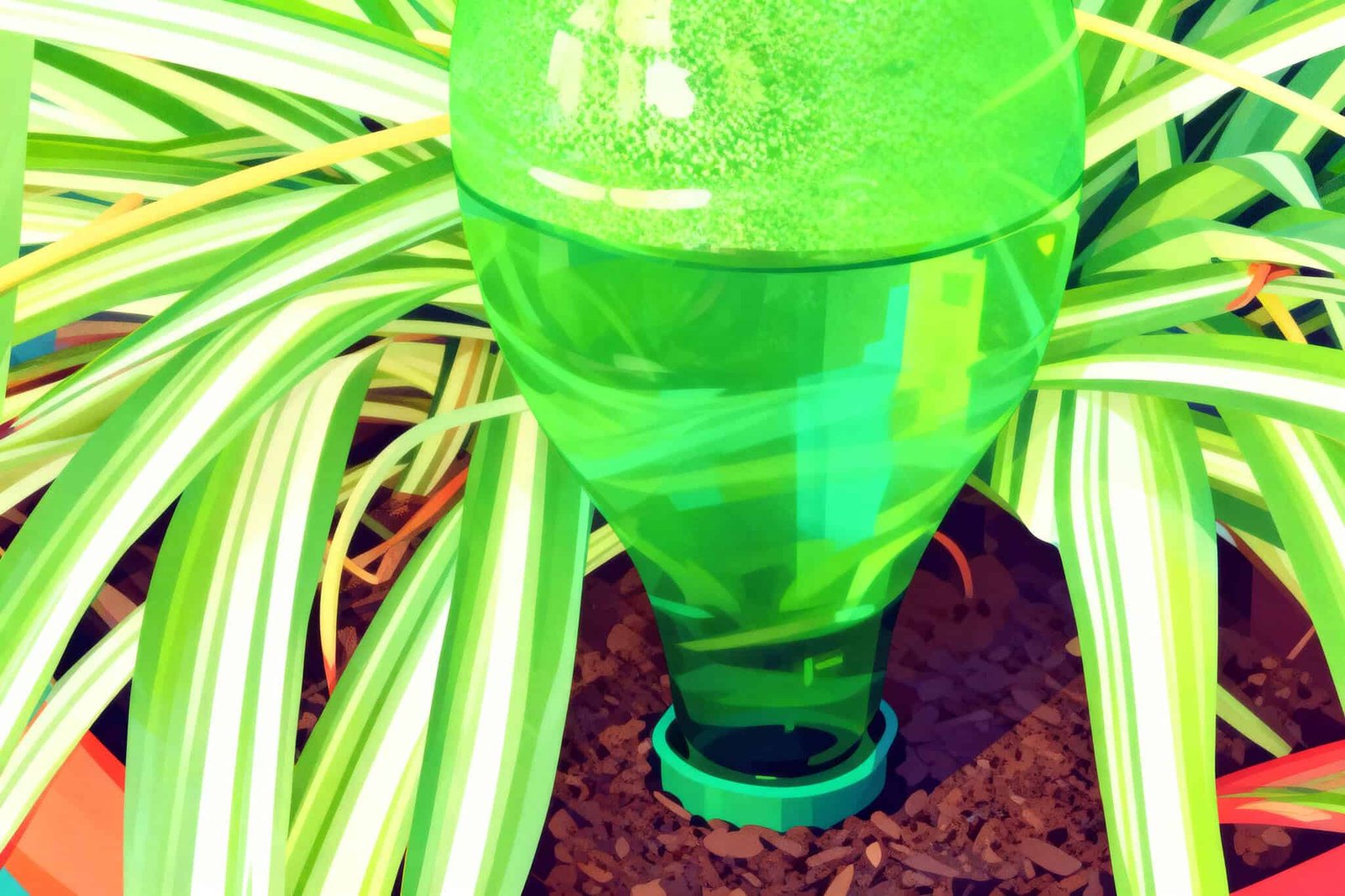
Dig a small hole next to the plant you want to water and bury roughly the bottom third of the bottle in the soil, cap end down. The water will seep slowly through the holes in the cap directly to the root zone over the course of several days.
It’s a simple system, but it works well for short periods — a few days away from the garden, for instance, or just as a way of maintaining more consistent moisture levels during a dry stretch.
Commercial watering spikes and cones
For anything beyond occasional use, it’s worth investing in a proper commercial system. They’re still inexpensive, widely available, and offer a level of control that a homemade bottle system can’t match.
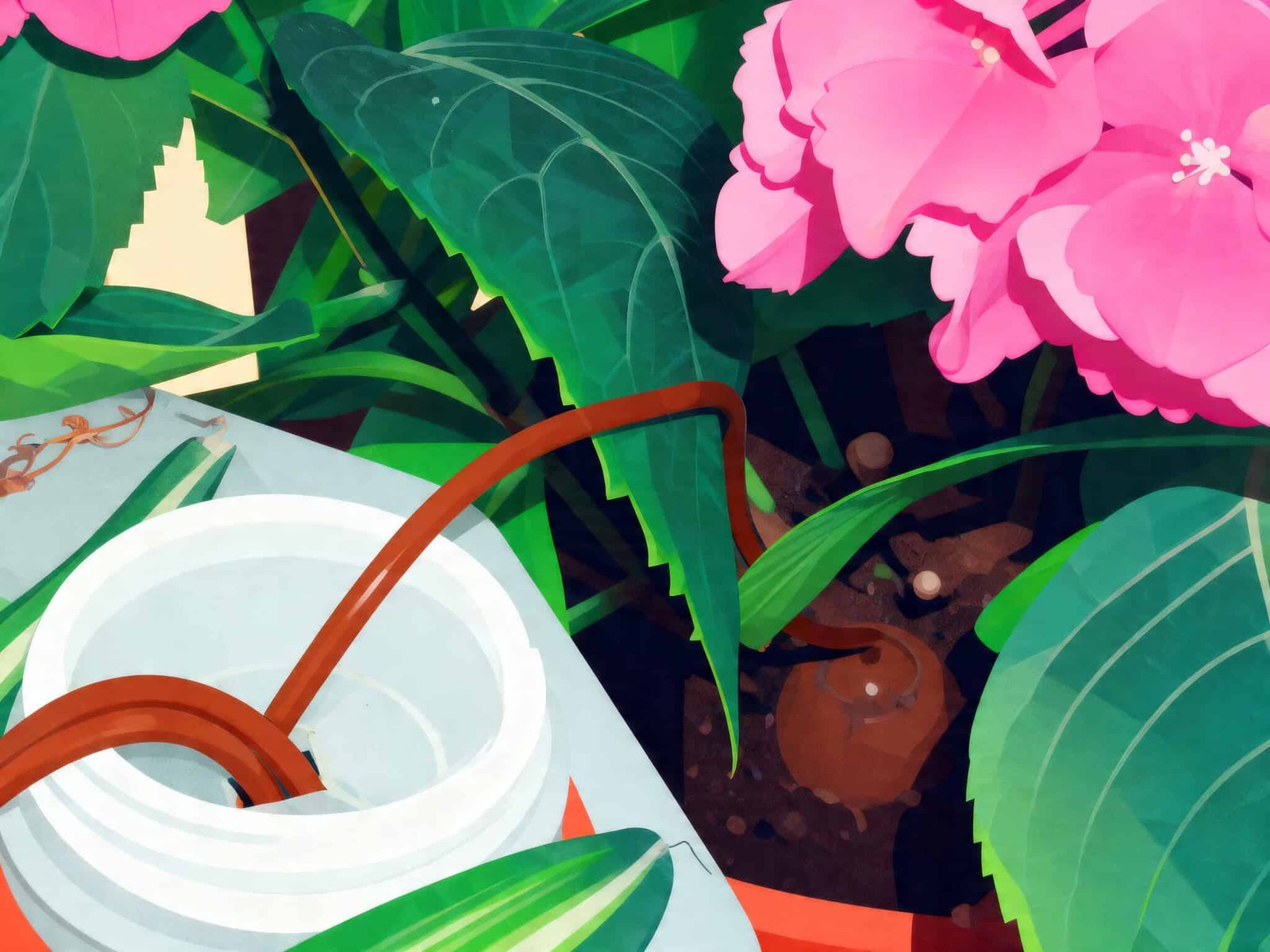
Commercial watering spikes typically consist of a ceramic or plastic spike that pushes into the soil, connected to a reservoir — often an inverted bottle or a dedicated water container. The spike regulates the flow of water based on soil moisture levels, releasing water when the soil dries out and slowing when it’s sufficiently damp. This makes them genuinely self-regulating in a way that a drilled bottle cap isn’t.
Watering cones work along similar lines but are designed to sit directly on top of an inverted bottle, with the cone itself pushed into the soil. Many come with adjustable flow settings, giving you control over how quickly the reservoir empties. A good quality set can keep plants consistently watered for a week or more from a single fill.
These systems are particularly useful in a few specific situations — during holidays or periods away from home, in a greenhouse where conditions dry out quickly, or for container plants that need more regular attention than border plants.
A simple solution to a common problem
Watering spikes and bottle top systems won’t replace a proper watering routine entirely, but they fill a gap that most gardeners encounter at some point. They’re low cost, easy to set up, and they do a genuinely good job of keeping plants hydrated consistently without any real effort on your part.
If you’re planning to be away from your garden for any length of time, they’re one of the most reliable options available. Our guide on how to water your houseplants while you’re away on vacation covers some complementary approaches worth reading alongside this one.