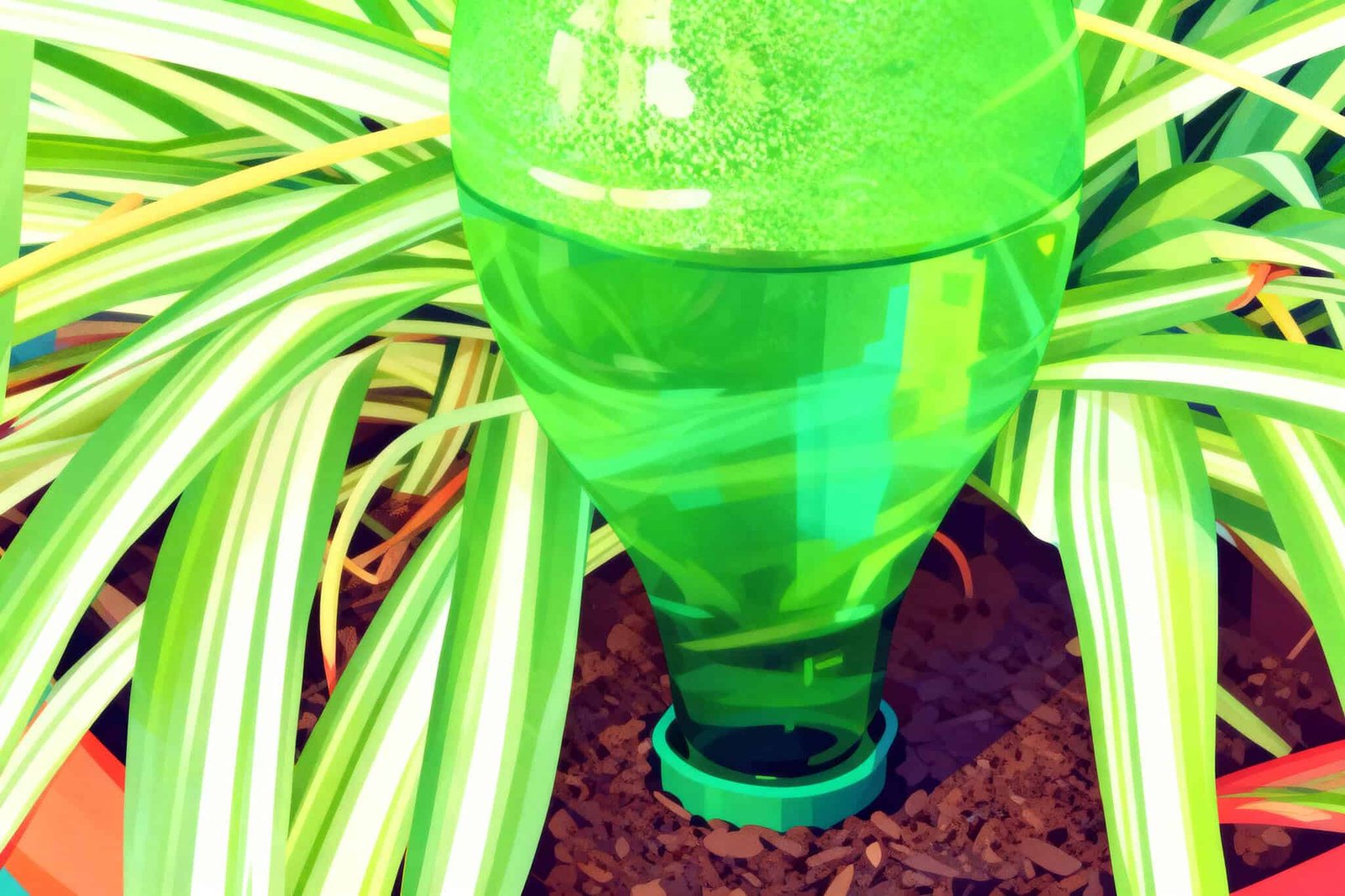
Container plants on a patio, balcony or terrace dry out faster than almost anything else in the garden. Exposed on all sides, often in full sun, with a limited volume of compost to hold moisture — they need consistent watering in a way that quickly becomes demanding if you’re doing it by hand every day.
A patio drip system takes that pressure away entirely, delivering water slowly and directly to each pot on a schedule that suits your plants rather than your diary.
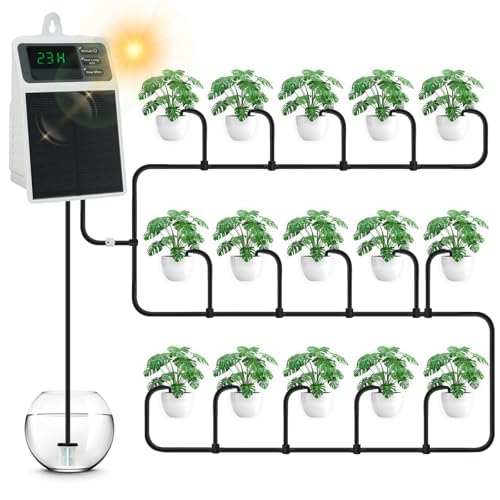
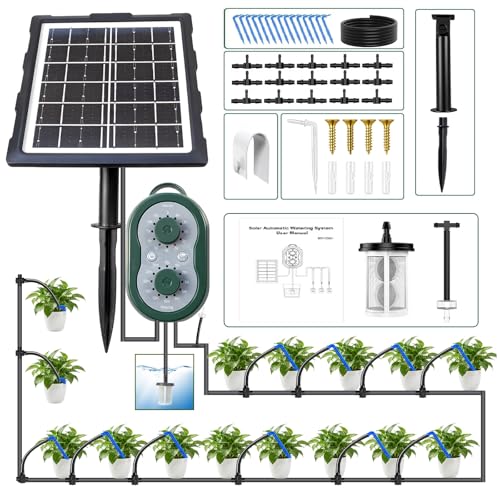
The challenge with container gardening on a patio or balcony isn’t just the frequency of watering — it’s the consistency. Miss a day in warm weather and some plants will show it almost immediately. Water unevenly and some pots get too much while others get too little. A patio drip system solves both problems at once, and once it’s set up it requires very little ongoing attention.
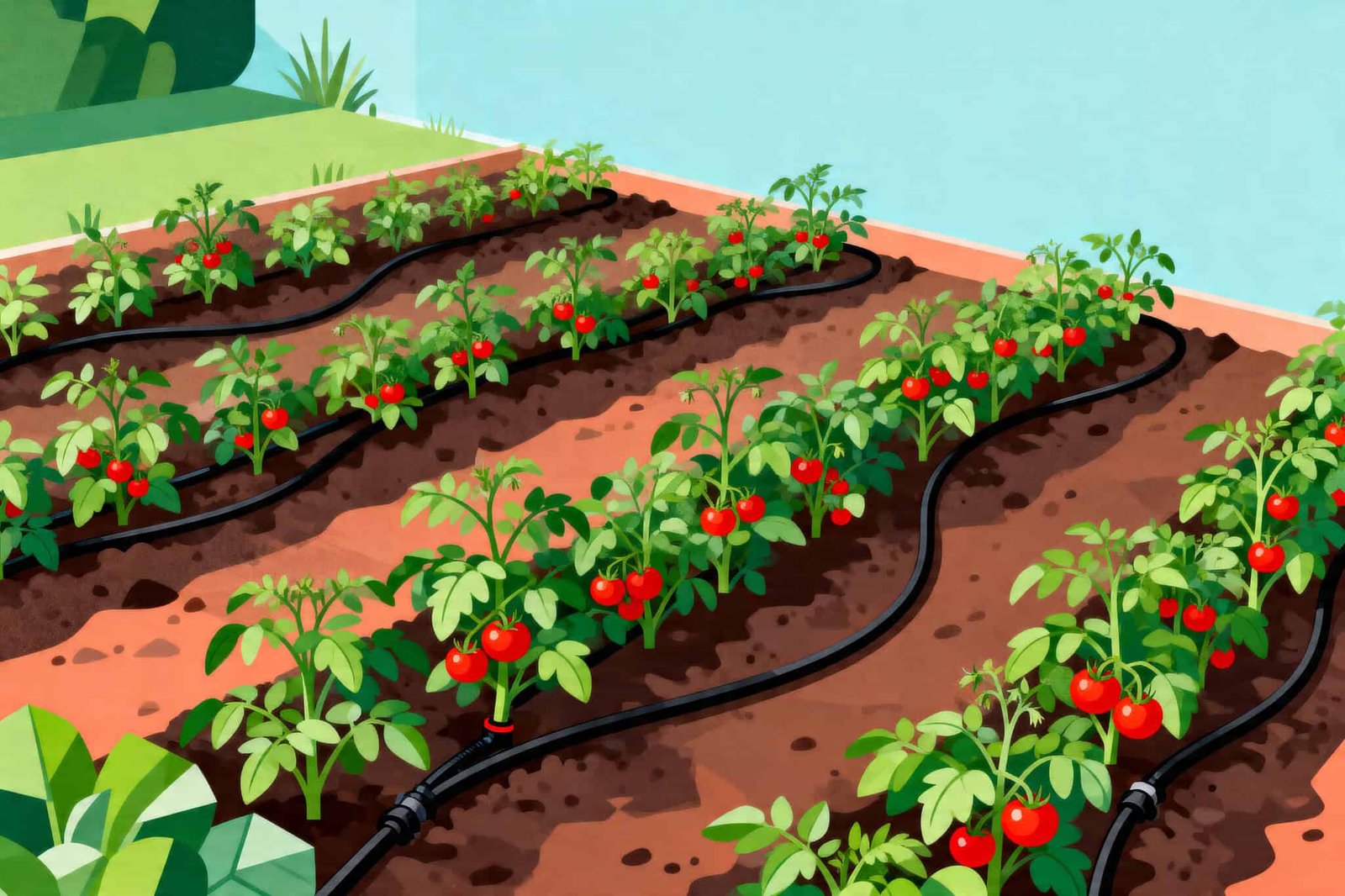
Patio drip systems work on the same root-level delivery principle as larger garden systems, but they’re designed specifically for the compact, containerised environment of a balcony or terrace. The components are smaller, the tubing runs are shorter, and the whole setup is configured around individual pots rather than open beds and borders. If you’re already familiar with how garden drip systems work, the patio version will feel immediately intuitive — it’s just scaled and configured for a different context.
What makes patio drip different
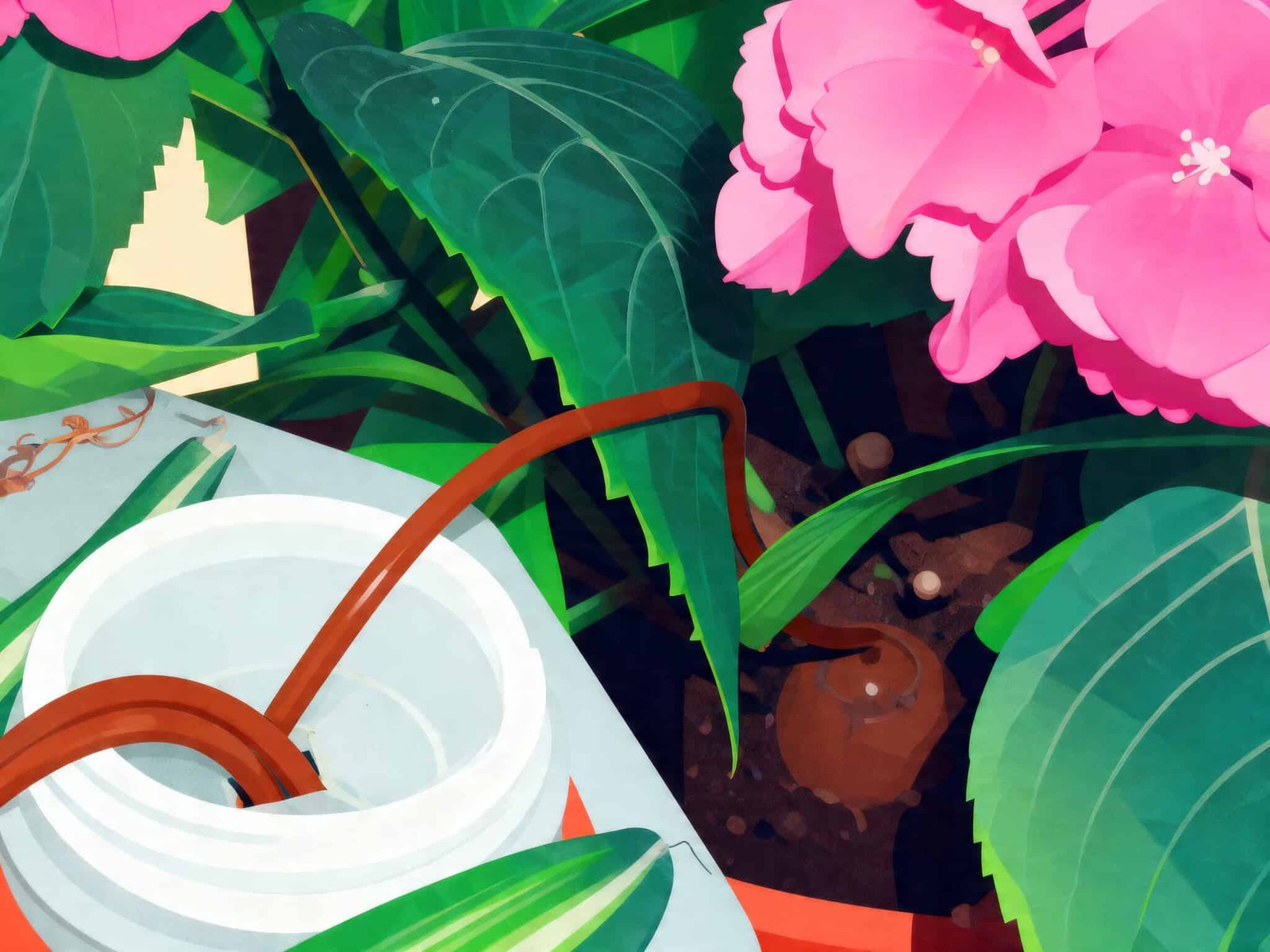
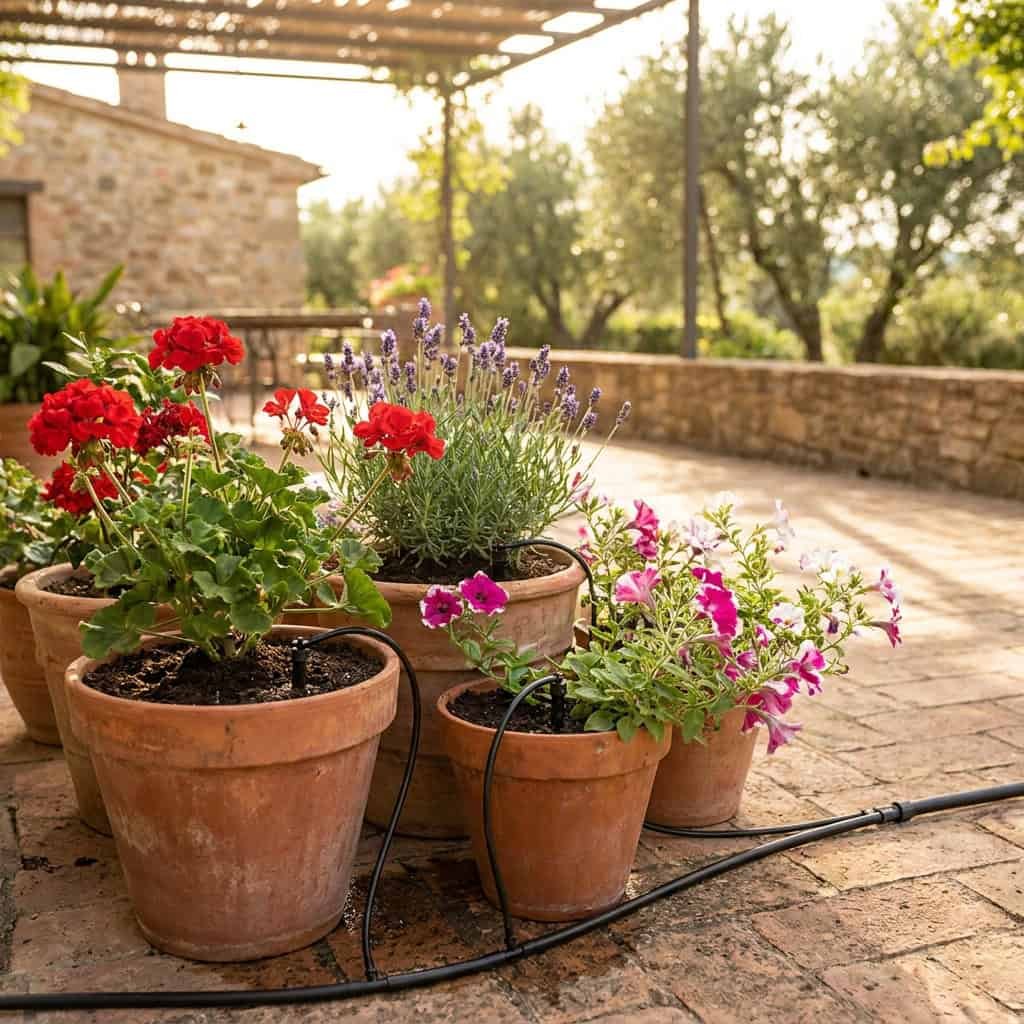
The key distinction is that patio systems typically use individual drip emitters — one or sometimes two per pot — rather than in-line tubing running between open planting. This means each container gets its own dedicated water supply, which can be adjusted independently depending on the plant’s needs. A thirsty fern and a drought-tolerant succulent sitting side by side on the same balcony can receive different amounts of water from the same system simply by fitting different emitters.
Most patio drip kits include a range of emitter sizes for exactly this reason — it’s rarely the case that every pot on a balcony has identical water requirements, and a good kit gives you the flexibility to account for that from the start.
Small spaces, real constraints
Balcony and terrace gardening comes with practical constraints that don’t apply to open gardens. Water pressure can be lower when you’re tapping into a shared building supply or running a longer hose from an indoor tap. Space for tubing runs is limited. The system needs to look reasonably tidy because it’s part of a living space rather than hidden among borders.
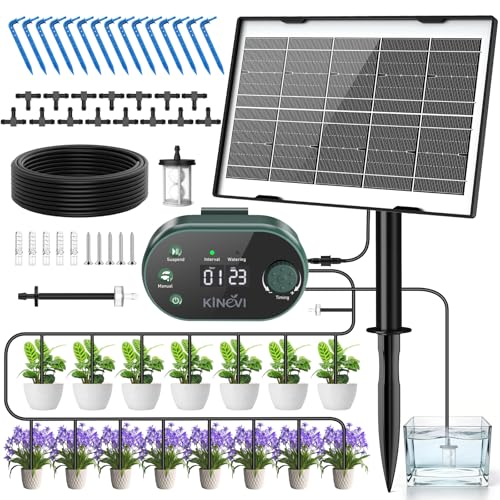
Good patio drip systems are designed with all of this in mind. Tubing is narrow and unobtrusive, fittings are compact, and the overall footprint of the system is minimal. Many kits include adjustable stakes that hold emitters securely in individual pots without looking cluttered, and the main supply line can typically be run discreetly along a wall or balcony rail.

- Save Time and Effort: This Raindrip drip irrigation kit includes everything you need to create a drip watering system fo…
- Install in 3 Easy Steps: 1) Connect the timer and tubing to your water source 2) Lay out the tubing 3) Use fittings to a…
- Ideal for Any Level Gardener: Easy to customize, install, and operate, this automatic drip irrigation kit includes all t…
Automation on a balcony
A timer is even more valuable on a balcony than it is in a ground-level garden. Balcony containers dry out fast — during a hot spell, twice-daily watering isn’t unusual for some plants — and managing that manually while also living and working normally is genuinely difficult. A digital timer connected between the tap and the supply line handles the scheduling automatically, running the system for a set duration at set times regardless of whether you’re home. For anyone who travels regularly or spends time away from the city in summer, it removes what is often the single biggest anxiety about leaving balcony plants unattended.
More about patio drip systems
A patio drip system doesn’t need to cover every pot to be worthwhile. Starting with the plants that need the most consistent moisture — herbs, vegetables, anything in a small container that dries out quickly — and expanding from there is a perfectly sensible approach. Most kits are modular and can be extended easily as your setup grows.
For a broader look at water-saving approaches for container gardening, our guide to water saving systems for balcony and terrace gardens covers complementary options worth considering alongside a drip system.