Some of the best ideas in gardening aren’t new at all. Olla pots — unglazed terracotta vessels buried in the soil to deliver water directly to plant roots — have been used for over 4,000 years across the Middle East, North Africa, China and South America. Long before drip irrigation systems and moisture sensors existed, farmers were using ollas to keep crops alive in some of the driest conditions on earth. The fact that the method is still relevant today says a great deal about how well it works.
What exactly is an olla pot?
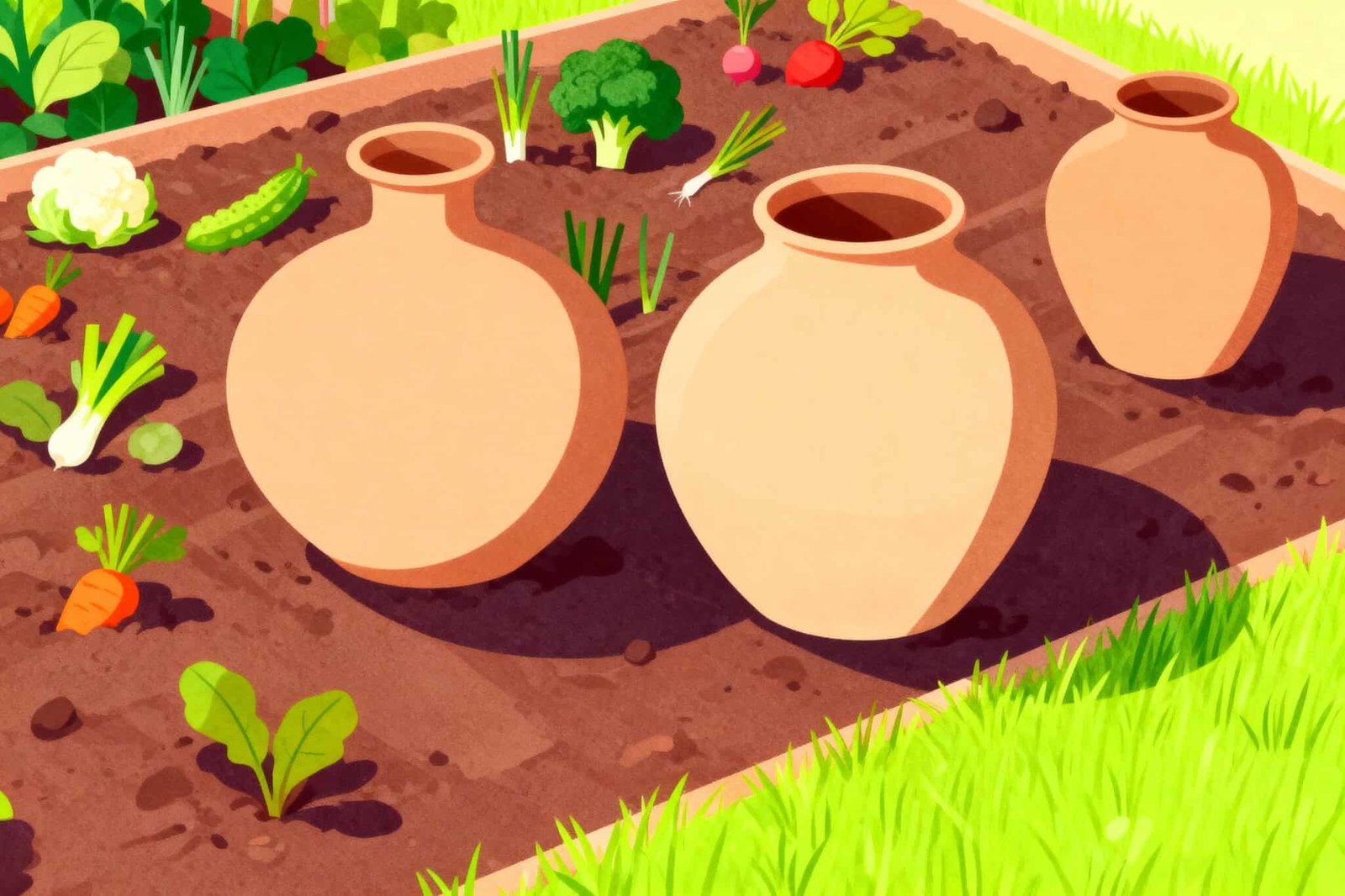
The word olla (pronounced OY-yah) comes from the Latin word for pot. In irrigation terms it refers specifically to an unglazed terracotta vessel — typically round-bellied with a narrow neck — designed to be buried in the soil with just the opening sitting above the surface. The lack of glaze is what makes it work. Unglazed terracotta is naturally porous, allowing water to seep slowly through the clay walls and into the surrounding soil in direct response to how dry that soil is.
It’s a beautifully self-regulating system. Dry soil creates tension that draws water through the clay walls faster. Moist soil slows the process. The plant effectively controls its own water supply without any timers, sensors or human intervention required.
How to use one in your garden
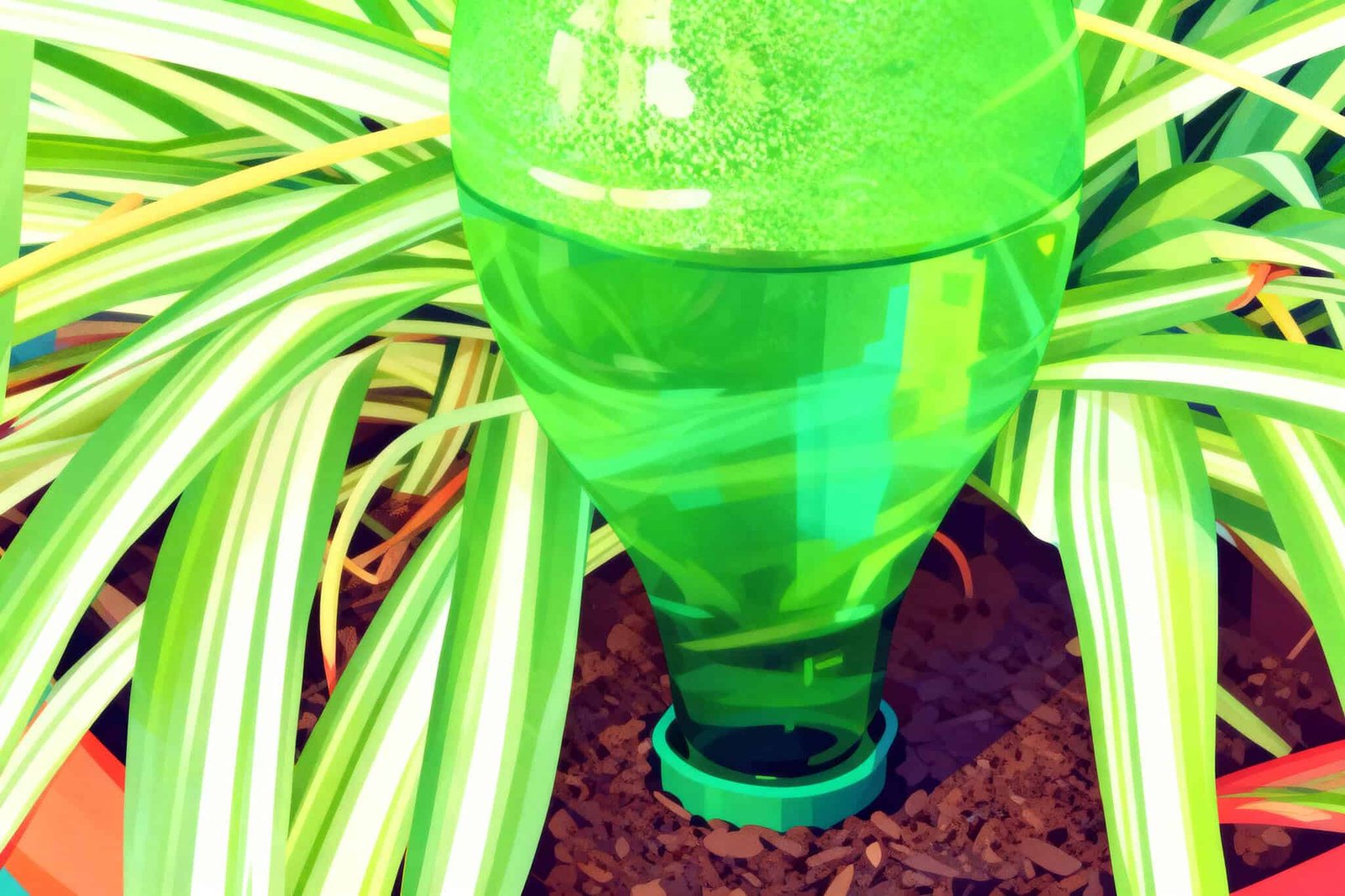
Using an olla pot couldn’t be more straightforward. Dig a hole close to the plants you want to water — deep enough to bury the pot with just the neck sitting above soil level. Fill it with water, place a lid or cover loosely over the opening to reduce evaporation and keep out insects, and leave it to do its work.
Refilling frequency depends on conditions, soil type and the size of the pot, but most ollas need topping up once or twice a week in typical garden conditions — less during cooler or wetter periods. In sandy soil water moves through the walls faster; clay soil slows the release rate. A little observation in the first week or two will quickly tell you what your particular garden needs.
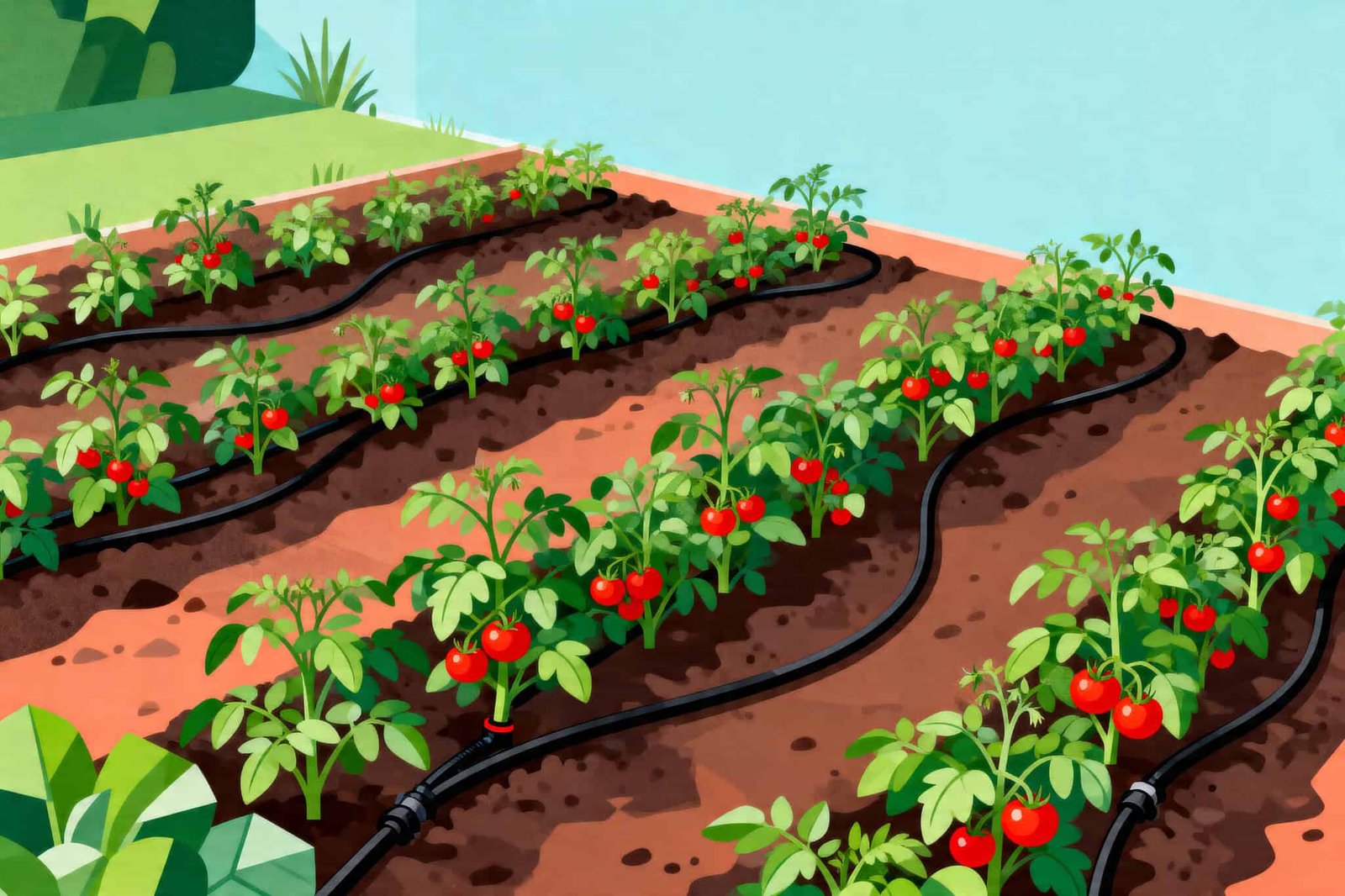
Each pot covers a radius of roughly 30 to 45cm depending on size, so larger beds will benefit from more than one. For a standard raised vegetable bed, two or three ollas positioned evenly across the plot will typically provide consistent coverage throughout the growing season.
It’s worth noting that plants need a short settling-in period when you first install an olla. Continue surface watering lightly for the first few weeks until roots have grown toward the pot and located the moisture source. After that, the olla takes over and surface watering becomes largely unnecessary.
The water efficiency case
This is where olla irrigation really distinguishes itself. Because water is delivered below the surface and released only in response to actual soil moisture levels, virtually none is lost to evaporation or runoff. There’s no spray, no surface pooling, and no water applied on a fixed schedule regardless of whether the plant needs it.
Olla irrigation is considered the most efficient watering system by many, saving from 50% to 70% in water compared to conventional surface watering. For a kitchen garden running through a full growing season, that saving is significant — both in terms of environmental impact and water bills.
The method also actively improves root development. Roots follow moisture downward toward the buried pot, developing the kind of deep, resilient structure that helps plants cope during dry spells without needing additional intervention. A garden watered by ollas tends to be noticeably more drought-tolerant than one watered from above.
Ollas also reduce weeds — a less obvious but genuinely useful benefit. Because the soil surface stays dry, weed seeds at the surface don’t germinate as readily as they do when overhead watering keeps the top layer of soil consistently damp.
Which plants benefit most?
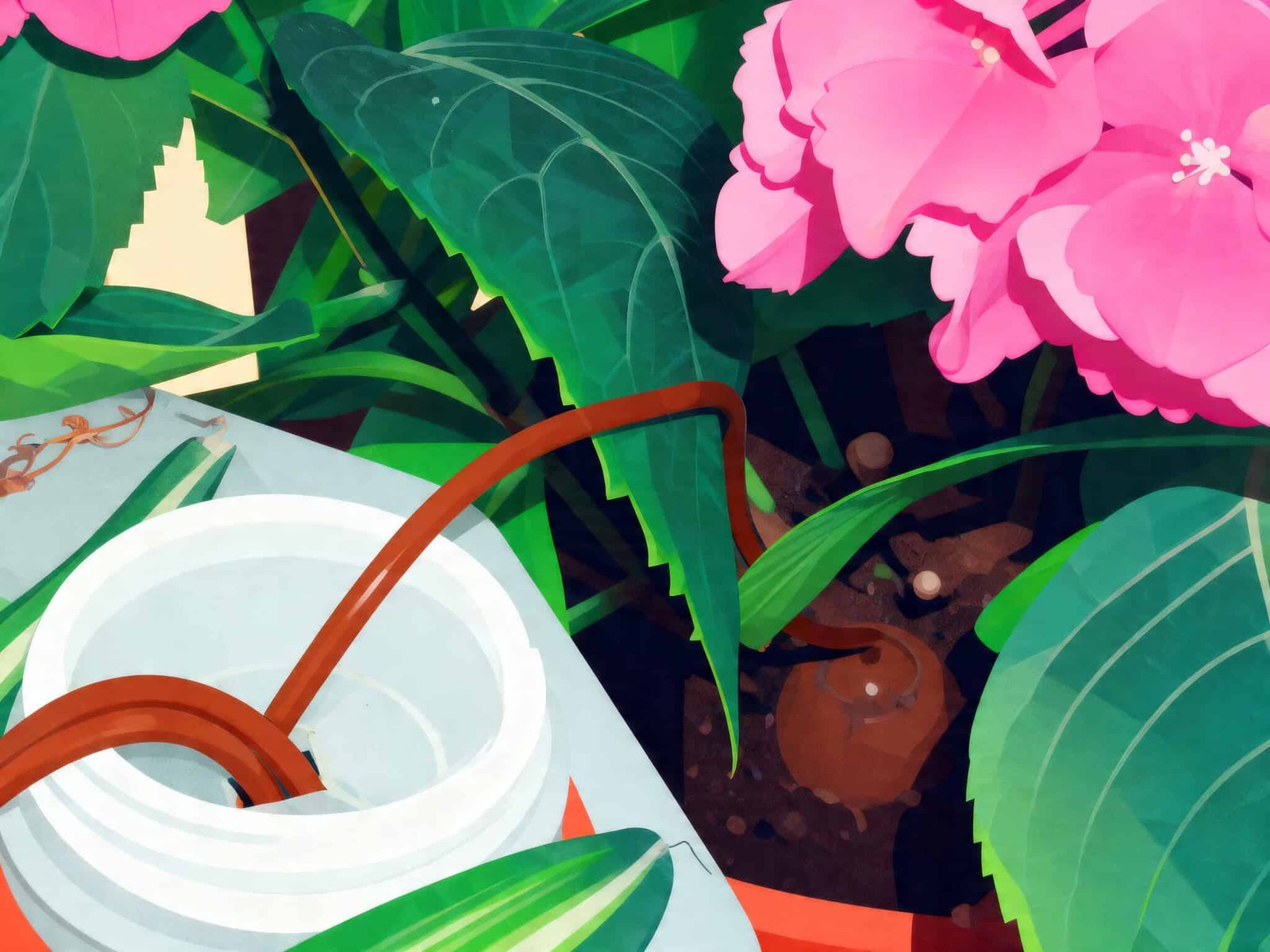
Ollas work well for most garden plants but are particularly effective for vegetables and fruiting crops that need consistent moisture to develop well. Tomatoes, peppers, courgettes, cucumbers, beans and root vegetables all respond strongly. Herbs grown in kitchen gardens or raised beds benefit too. For container plants indoors or on a balcony, smaller olla pots maintain steady moisture levels between waterings without the risk of overwatering that comes with hand watering.
Two brands worth knowing
The Olla Company produces a well-made range of classic terracotta ollas available in three sizes — Mini, Small and Large — covering irrigation diameters from 30cm up to 90cm. Made from high-quality natural terracotta, their packaging is 100% recyclable, compostable and worm-bin friendly, with zero plastic and no Styrofoam. A small business with genuine sustainability credentials, their ollas are slip-cast and hand-finished, meaning each one has the natural variation in colour and texture that comes with properly made terracotta.
Back to the Roots brings the same ancient method to a modern garden context with their self-watering terracotta olla pots, available in a pack of three and designed to provide around a week of consistent moisture per fill. A brand with a long-standing commitment to organic, sustainable growing, their olla pots are a reliable and well-reviewed option for both indoor and outdoor use.
Both brands are available through our olla pots store section.