Inconsistent watering is one of the most common reasons healthy plants decline — too much one day, not enough the next, and the cycle repeats. Self-watering planters take that variable out of the equation entirely. By storing water in a reservoir below the soil and letting roots draw up moisture as they need it, they create a growing environment that’s far more stable than a traditional pot and a watering can.
From compact indoor pots to deep outdoor troughs designed for patios and balconies, there’s a size and style to suit most growing situations — and all of them use water considerably more efficiently than conventional containers.
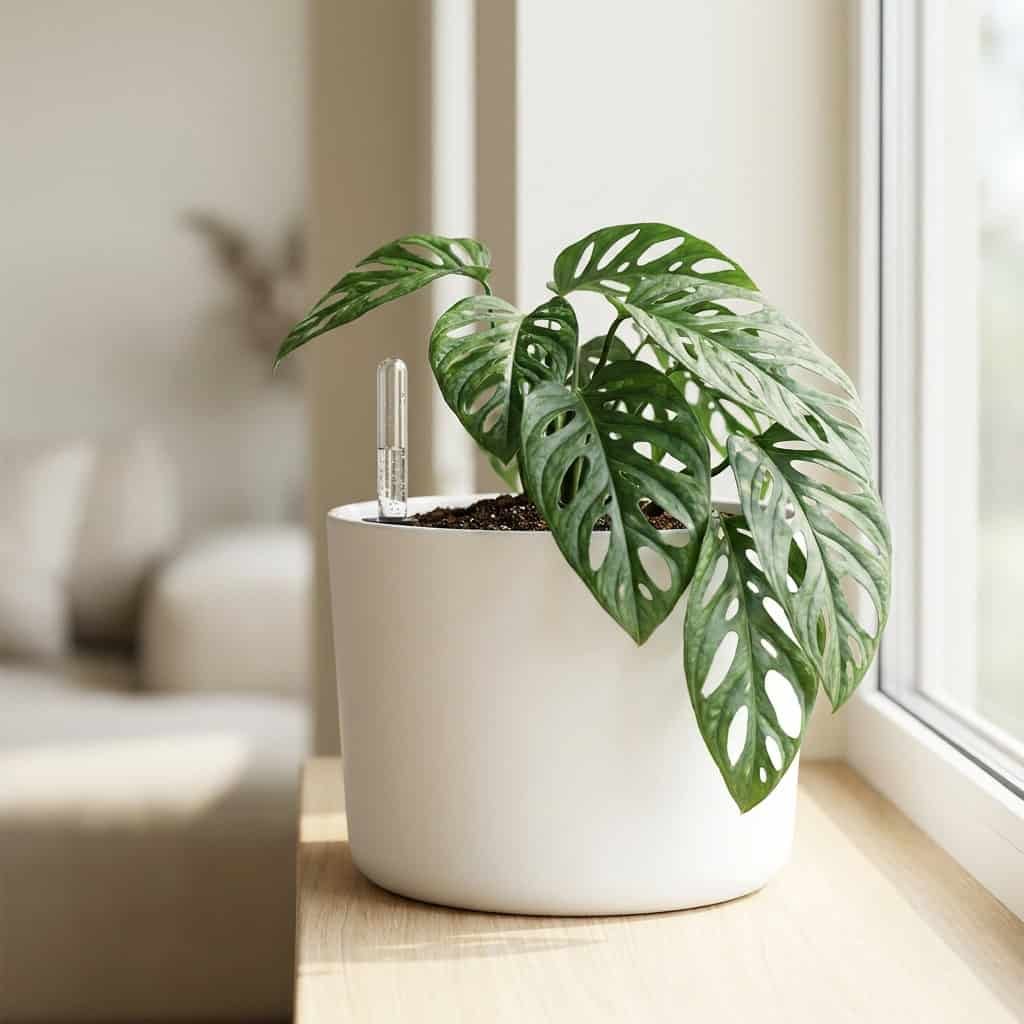
Lechuza is a German brand that has become one of the most respected names in self-watering planters since launching in 2000. Made in Germany to premium quality standards, their range covers everything from compact tabletop pots to large floor-standing planters and balcony boxes, all built around the same intelligent sub-irrigation system. A built-in water level indicator takes the guesswork out of refilling, and a drainage plug allows excess rainwater to be removed when planters are used outdoors. The design quality is genuinely high — these are planters that look as good as they perform, and they’re available in a wide range of colours and finishes to suit most indoor and outdoor settings.

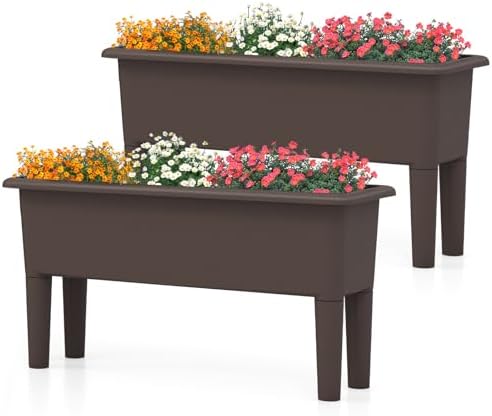
- Self-watering table planter with removable planter liner, water level indicator and plant substrate
- LECHUZA planter and plant liner are different in height. Due to this difference, a space is formed inside – a container …
- Drainage holes in the inner pot helps the moisture to flow into the substrate from a water tank. Water level indicator s…
How do self-watering planters work?
The problem with hand watering a traditional pot is that it’s difficult to get consistently right. Water applied to the surface has to travel down through the compost to reach the roots, and a significant portion is lost to evaporation on the way. Apply too much and the lower half of the pot stays waterlogged while the surface dries out quickly, encouraging roots to stay shallow. Apply too little and the same thing happens in reverse — dry patches form before the water reaches where it’s needed.
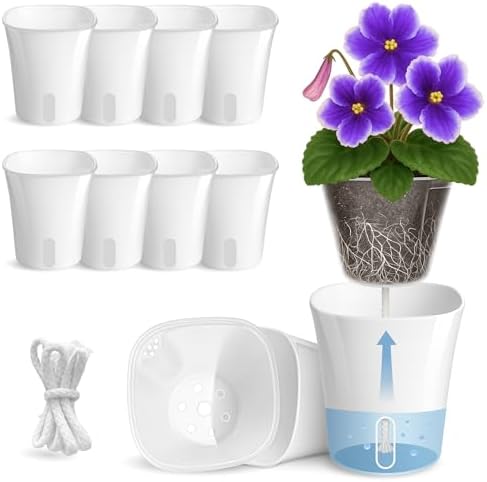
Self-watering planters approach this differently. A reservoir built into the base of the container holds a supply of water below the soil, separated from the growing medium by a wicking layer or a series of channels. Roots grow downward toward the water source and draw up moisture through capillary action as the surrounding soil dries. The plant takes what it needs, the reservoir refills periodically, and the cycle continues without daily intervention.

More about self-watering planters
The practical benefits show up quickly. Surface evaporation drops significantly because water isn’t being applied from above and sitting exposed to air. Roots develop more deeply and robustly because they’re encouraged downward rather than staying near the surface in search of moisture. Plants are less prone to the stress that comes from irregular watering — the wilting, the recovery, the gradual weakening that often goes unnoticed until something goes visibly wrong.
In warmer months, or on a south-facing balcony in summer, a traditional pot might need watering daily or even twice a day. A self-watering planter in the same conditions can often go several days between refills, sometimes longer depending on the reservoir size and the plant’s water requirements. For anyone who travels, works long hours, or simply wants a lower-maintenance growing routine, that difference matters.
They work particularly well in situations where water conservation is a genuine priority — balconies and terraces where every drop counts, kitchen herb gardens that need consistent moisture for good growth, or greenhouse benches where conditions change quickly and steady hydration makes a visible difference to results.
There’s no complexity involved either. No timers, no pumps, no drip lines to set up or adjust. Fill the reservoir, plant as normal, and the system takes care of the rest. It’s one of those solutions that works precisely because it’s simple.