If you’ve ever stood in the garden with a hose running and wondered whether you’re being as responsible as you could be, you’re not alone. Water is one of those things that’s easy to use without really thinking about it — until you start thinking about it. The truth is, most gardens use far more water than they actually need, and a lot of that comes down to habit rather than necessity.
The good news is that watering more thoughtfully doesn’t mean your garden has to suffer. If anything, plants tend to do better when they’re watered with a bit more intention. Here are some of the most effective ways to reduce your water use without compromising on the garden you’ve worked hard to create.
Collect rainwater rather than relying on the tap
This is one of the oldest tricks in the book, and it’s still one of the best. A rain barrel positioned beneath your gutter downspout can collect dozens of gallons during a single decent downpour, storing it ready for whenever you need it. Rainwater is also naturally soft, which many plants genuinely prefer over treated tap water. If you want to go further, our full guide to rainwater harvesting covers everything you need to know about setting up a system that works for your garden.
Switch to a drip system or soaker hose
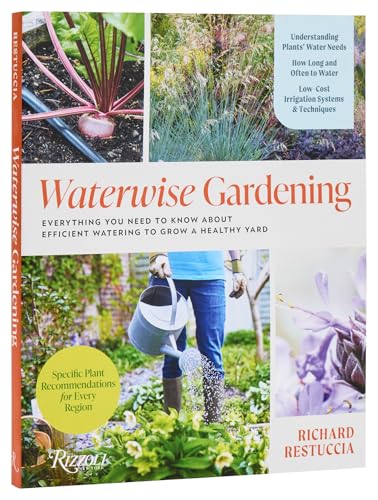
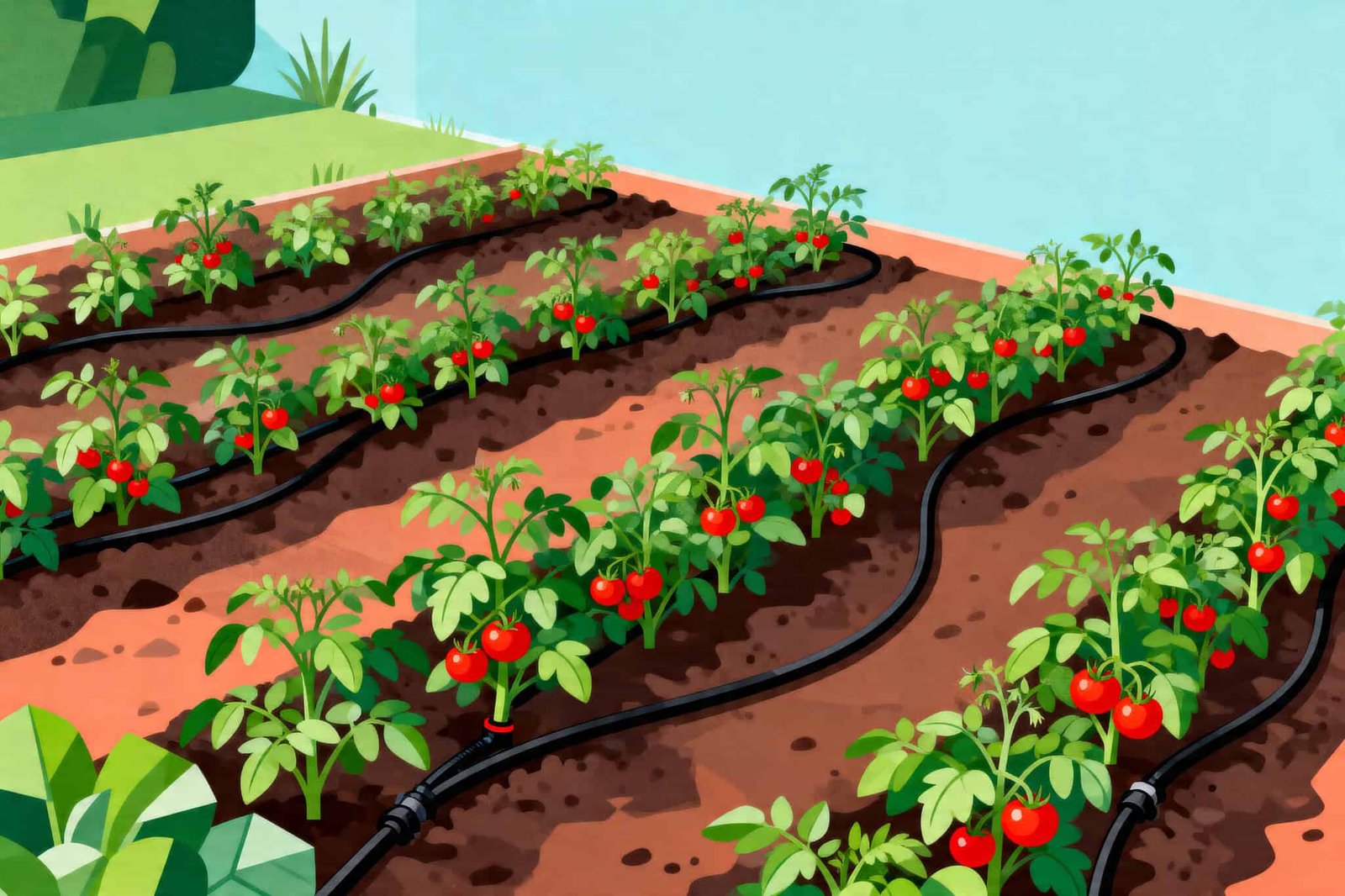
Running a hose across your garden is one of the least efficient ways to water. Much of it evaporates before it even reaches the roots, and a lot more runs off into areas that don’t need it. Drip systems and soaker hoses deliver water slowly and directly to the base of your plants, which means less waste and better results. They’re particularly effective for vegetable beds and borders. Take a look at the advantages of drip irrigation if you’re considering making the switch.
Water at the right time of day
Timing matters more than most people realise. Watering in the middle of the day, when the sun is at its strongest, means a significant portion evaporates almost immediately. Early morning is ideal — the water has time to soak in before temperatures rise, and your plants go into the day properly hydrated. Evening watering works too, though it can encourage fungal issues in some plants if the foliage stays damp overnight.
Use self-watering systems when you’re away
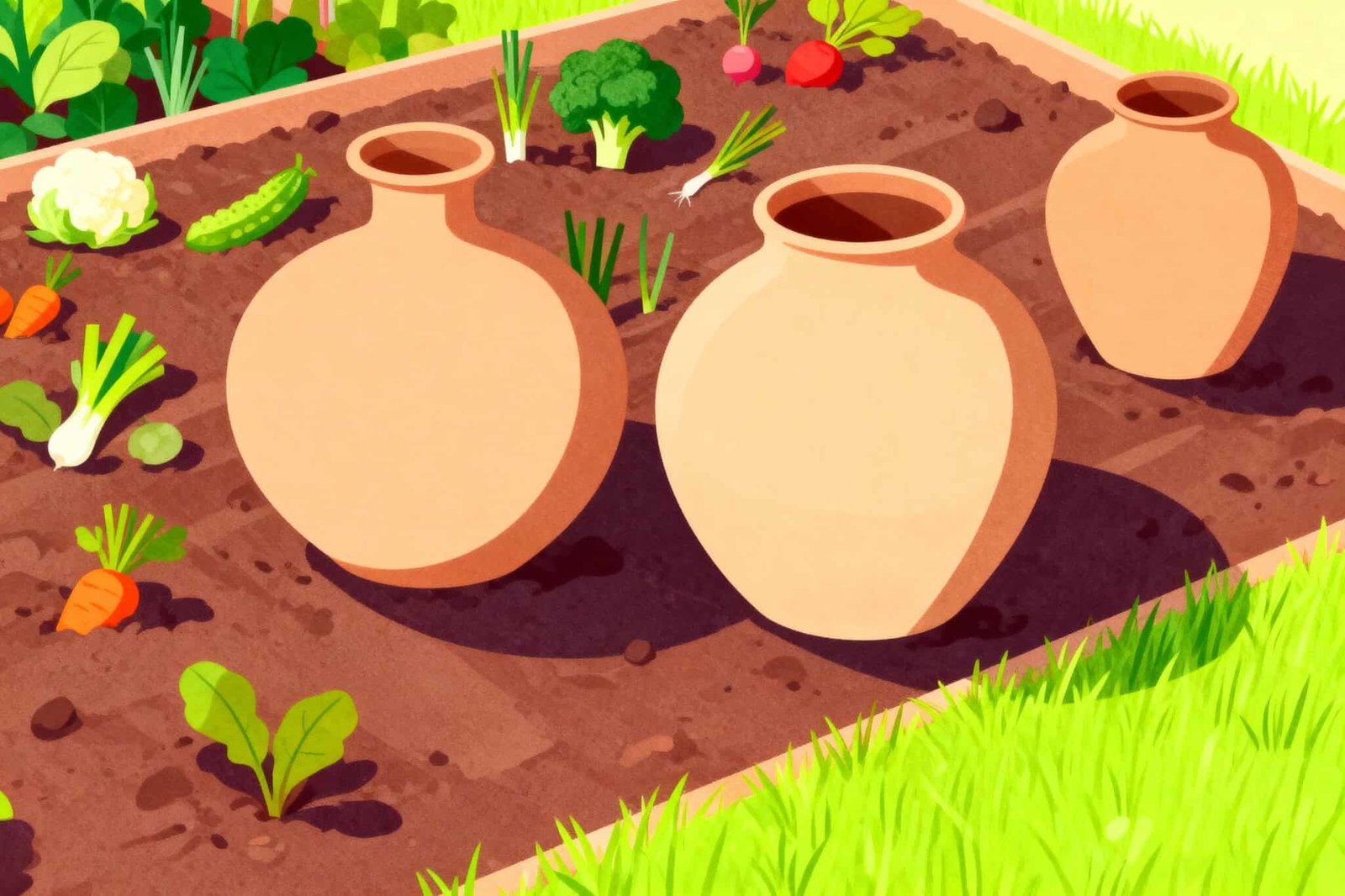
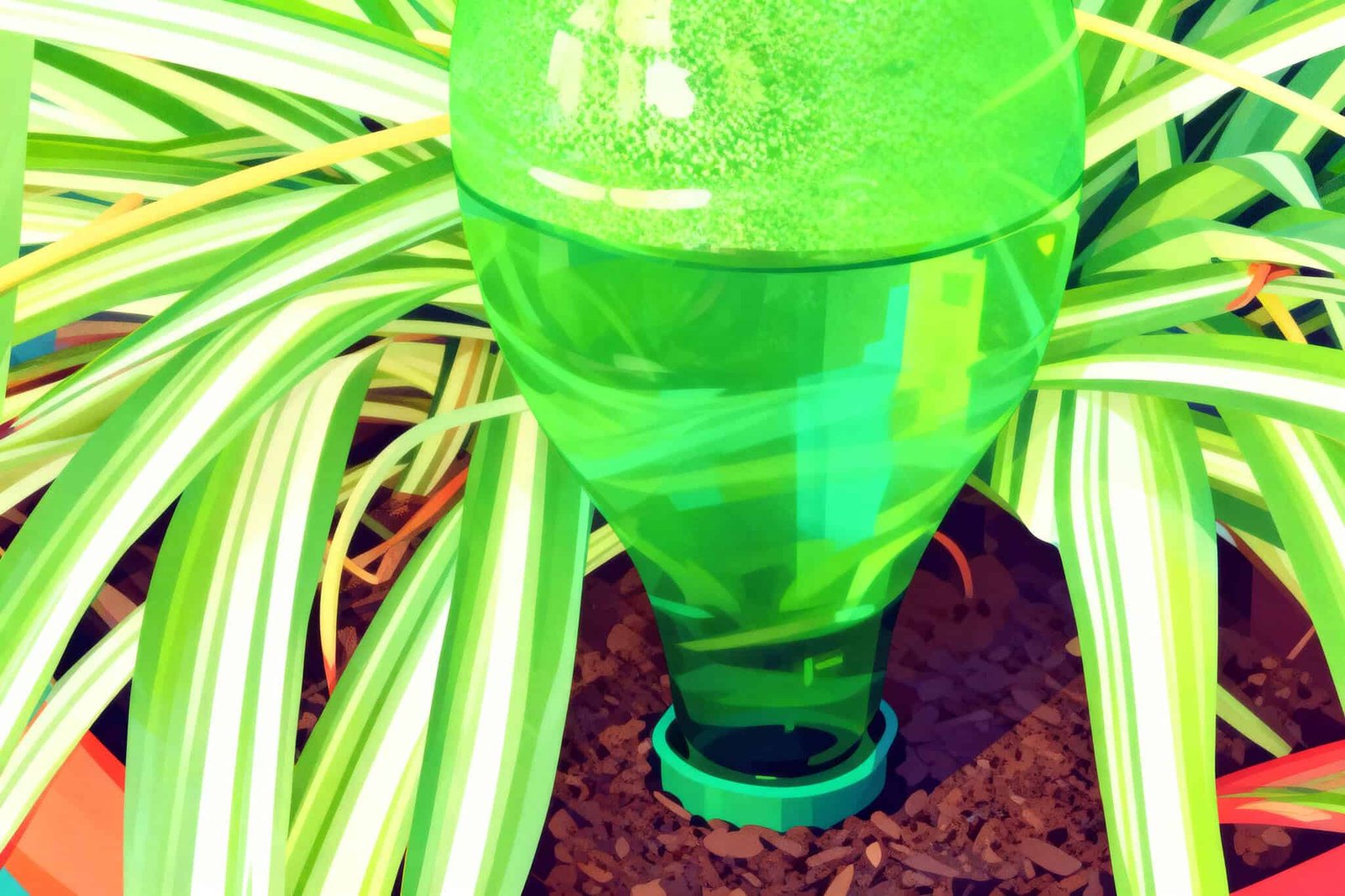
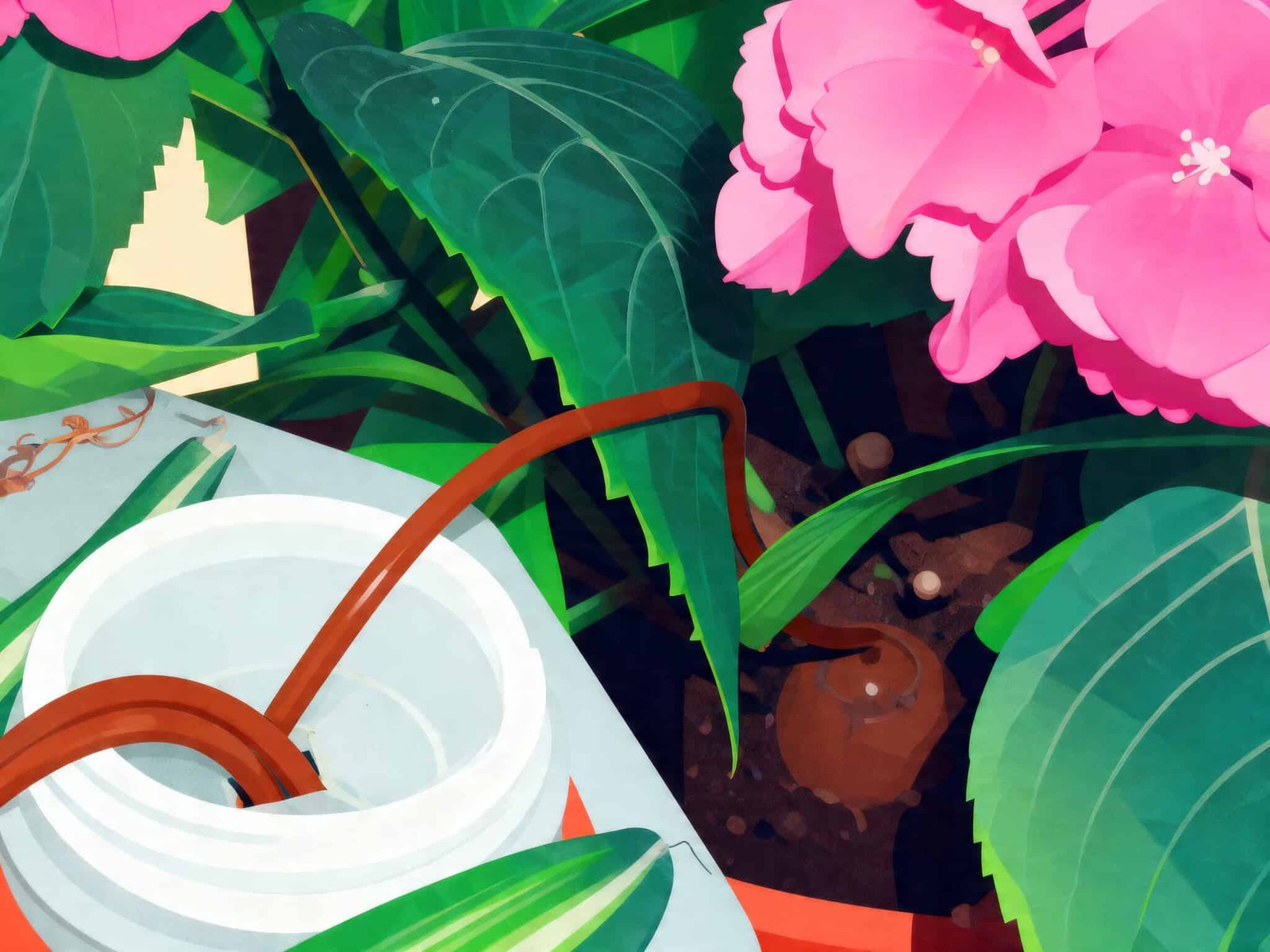
One of the most common causes of overwatering — and wasted water — is the anxiety of leaving plants unattended. Watering spikes and automatic vacation waterers are a simple solution that deliver a slow, steady supply of moisture directly to the soil, only as much as the plant draws in. It’s a much more controlled approach than asking a neighbour to guess. Our guide on how to water houseplants while you’re away on vacation goes into more detail on the options available.
Mulch your beds to retain moisture
This one is easy to overlook because it doesn’t involve watering at all — but it directly reduces how much watering you need to do. A layer of mulch around your plants slows evaporation from the soil surface, which means the water you do use goes a lot further. Bark, compost, or even gravel all work well depending on what you’re growing.
Grow plants that don’t need much water
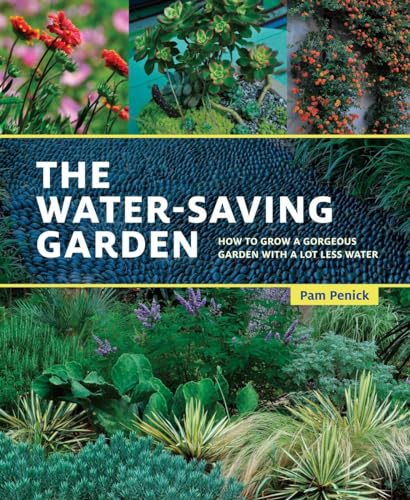
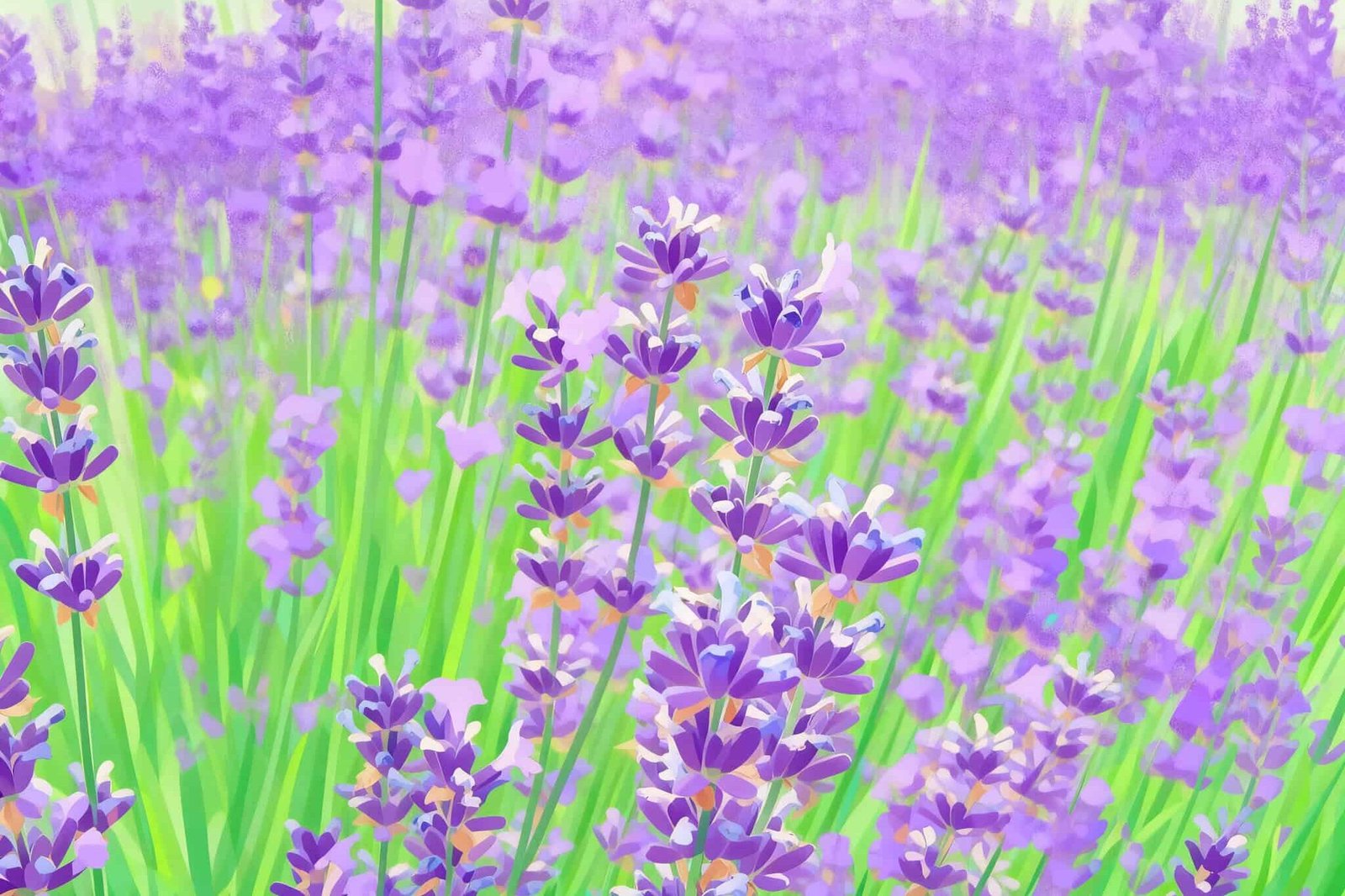
Perhaps the most sustainable approach of all is simply choosing plants that are well suited to drier conditions. Drought-resistant plants need a fraction of the water that thirstier varieties require, and many of them are genuinely beautiful — we’re not just talking about cacti. Lavender, echinacea, yarrow, and ornamental grasses are just a few examples of plants that thrive with minimal intervention. Our guide to drought-resistant plants, trees and shrubs is worth a read if you’re thinking about rethinking what you grow.
Think about your lawn too
Lawns are often the biggest water drain in a garden, and they’re also surprisingly resilient. Most lawns don’t need anywhere near as much watering as people assume — grass goes dormant in dry spells but recovers quickly once rain returns. If you do water your lawn, doing it deeply but infrequently encourages deeper root growth, which makes the grass more drought-tolerant over time. Our eco-friendly lawn watering guide covers this in more detail.
Small changes to how and when you water can add up to something significant over a season. It’s not about doing everything at once — just picking one or two habits to shift and going from there.