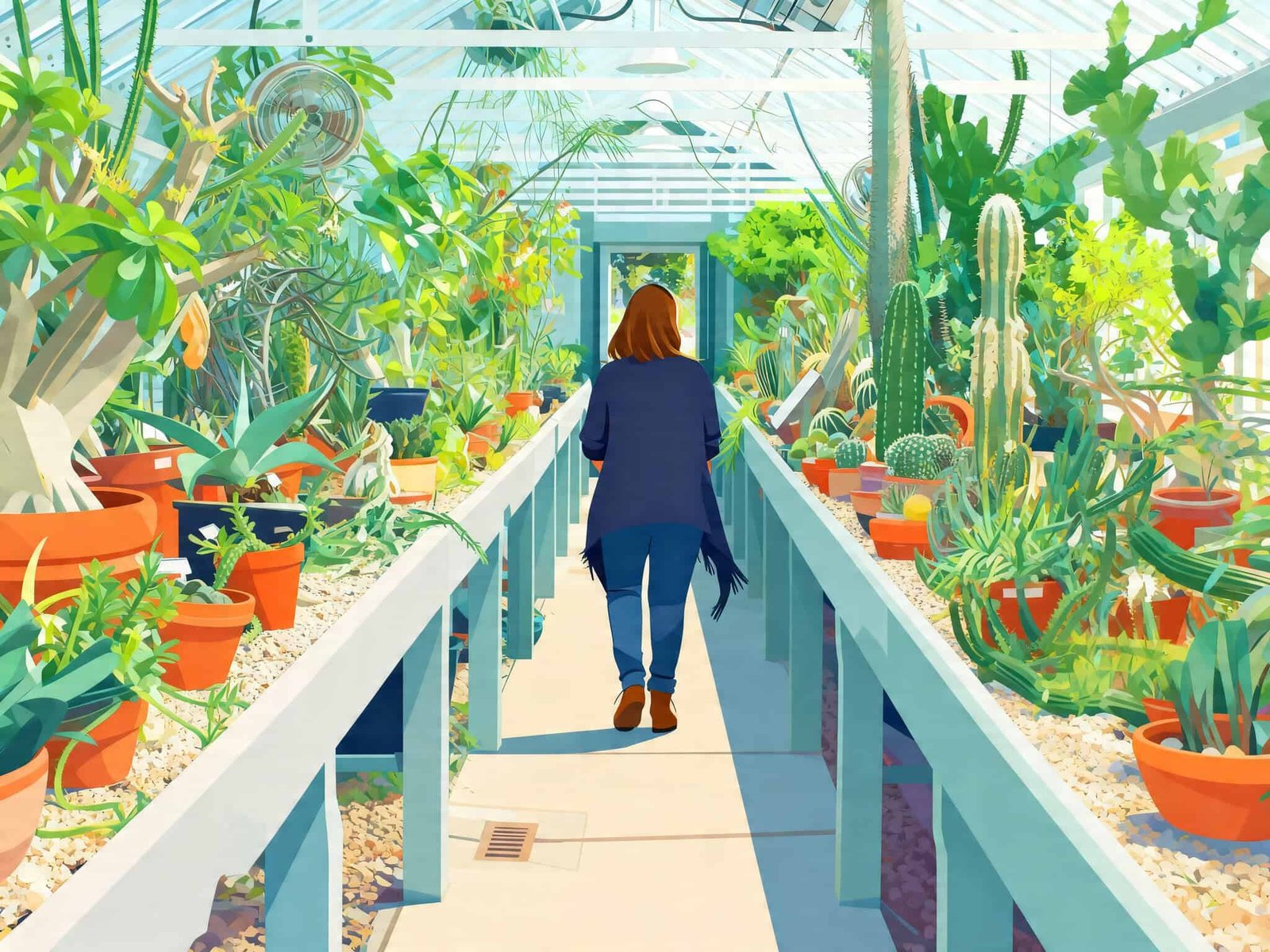
Greenhouse growing is one of the most rewarding forms of gardening, but it comes with its own particular set of challenges. Chief among them is watering. Get it right and your plants will thrive in the warm, sheltered environment a greenhouse provides. Get it wrong — too much, too little, or at the wrong time of day — and problems can escalate quickly in an enclosed space where humidity is already elevated and conditions are less forgiving than an open garden.
The good news is that once you understand the principles, greenhouse watering becomes second nature. It’s mostly about paying attention and developing a feel for what your plants are telling you.
Know your plants before you start
This sounds obvious, but it’s worth stating clearly: different plants have very different water requirements, and in a greenhouse you’re likely growing several varieties side by side. Succulents and cacti need minimal water and will rot quickly if overwatered. Tomatoes and cucumbers are thirsty and need consistent moisture throughout the growing season. Herbs sit somewhere in between. Taking the time to understand the specific needs of each plant you’re growing — before you start watering — will save you a lot of problems further down the line.
A simple reference list kept in the greenhouse, noting watering frequency for each variety, is a practical habit that pays off quickly.
Factor in humidity
Greenhouses retain moisture in the air, which affects how quickly soil dries out and how much water your plants actually need. On a humid day, the soil will stay damp for longer and plants will transpire less, meaning they need less water than they would in drier conditions outside. Paying attention to the humidity inside your greenhouse — rather than just following a fixed watering schedule — is a more reliable approach, particularly during warmer months when conditions can shift significantly from day to day.
A basic hygrometer is an inexpensive addition to any greenhouse and takes the guesswork out of monitoring humidity levels.
Water at the right time of day
Timing matters more in a greenhouse than it does outdoors. The ideal times to water are early morning or early evening, when temperatures are at their lowest. Watering in the middle of the day, when a greenhouse can become extremely warm, means much of the moisture evaporates before it reaches the roots. It also creates a rapid spike in humidity that can encourage fungal issues.
Morning watering is generally preferable — it gives foliage time to dry during the day, which reduces the risk of disease. Evening watering is a reasonable alternative but try to keep water off the leaves if possible, as damp foliage sitting overnight in a warm, enclosed environment is an invitation for problems.
Use a watering can, not a hose
In a greenhouse, precision matters. A garden hose delivers water with more pressure than most greenhouse plants need, and the spray can easily transfer disease and fungal spores from one plant to another — a particular concern in the enclosed environment of a greenhouse where problems can spread quickly.
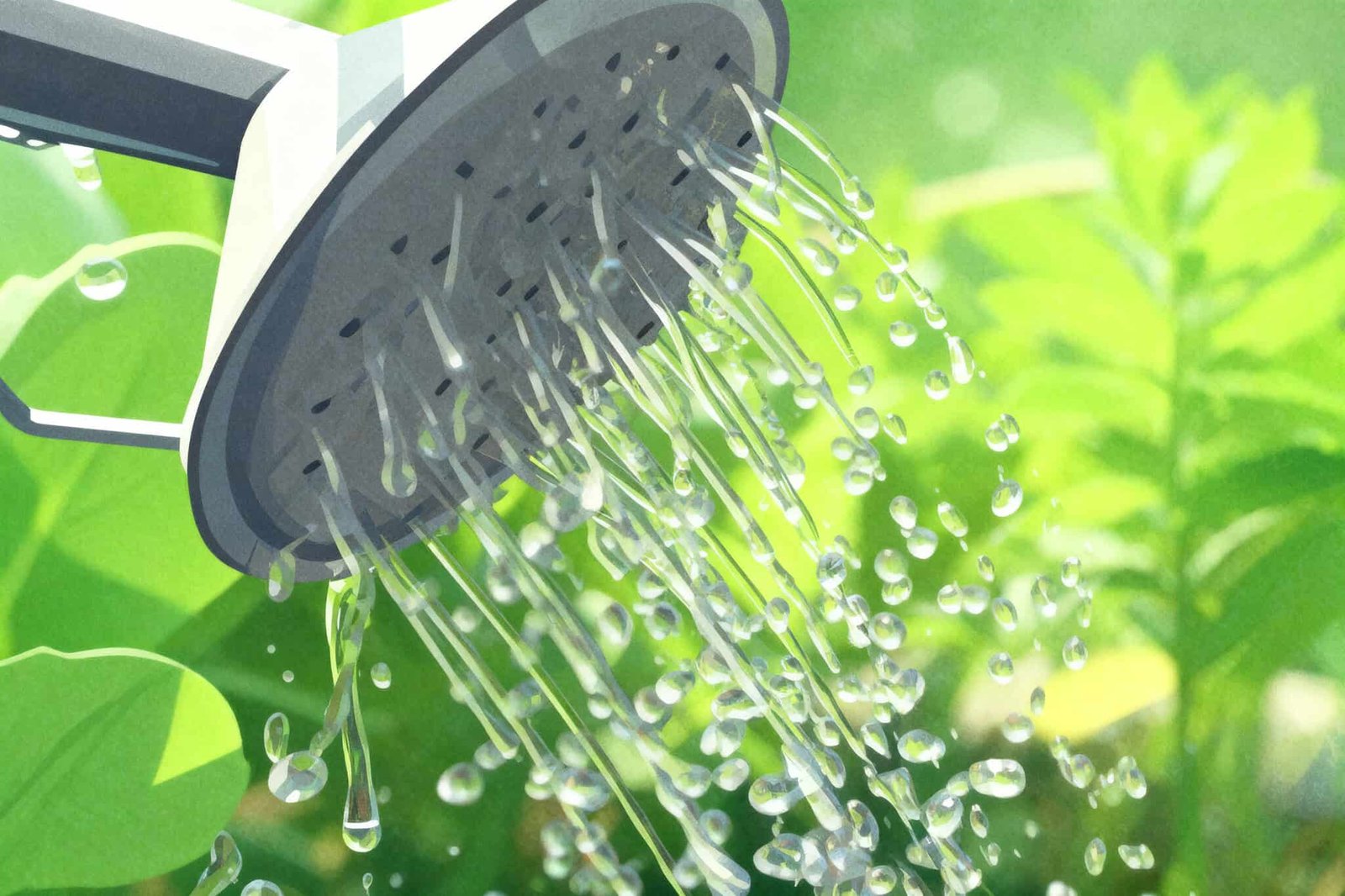
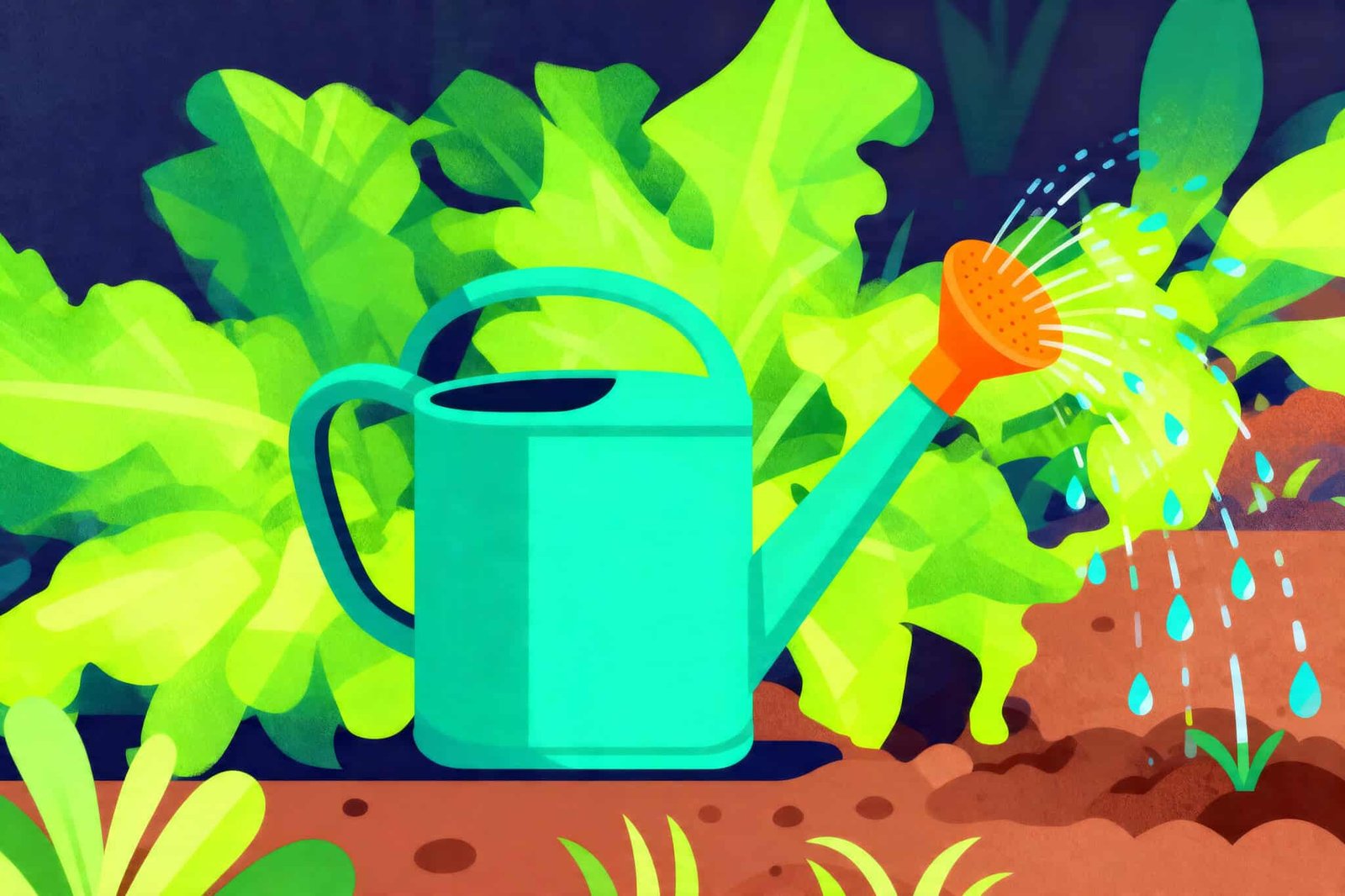
A watering can with a fine rose attachment gives you far more control. Water at the base of each plant rather than overhead, apply it slowly, and give the soil time to absorb it before adding more. The practical test for whether a plant has had enough is straightforward — water until you see moisture beginning to run from the drainage holes at the bottom of the pot, then stop. There’s no need to guess.
Let the soil surface dry between waterings
Overwatering is the most common mistake in greenhouse growing, and it’s easy to understand why. The enclosed environment feels warm and dry, and it’s tempting to water frequently. But greenhouse humidity means soil stays moist for longer than it appears from the surface, and roots sitting in consistently wet compost will deteriorate quickly.
A reliable rule of thumb is to allow the top centimetre or two of soil to dry out before watering again. Push your finger into the compost — if it feels damp below the surface, hold off. If it’s dry an inch down, it’s time to water. It takes a little practice but quickly becomes instinctive.
Consider a greenhouse drip system
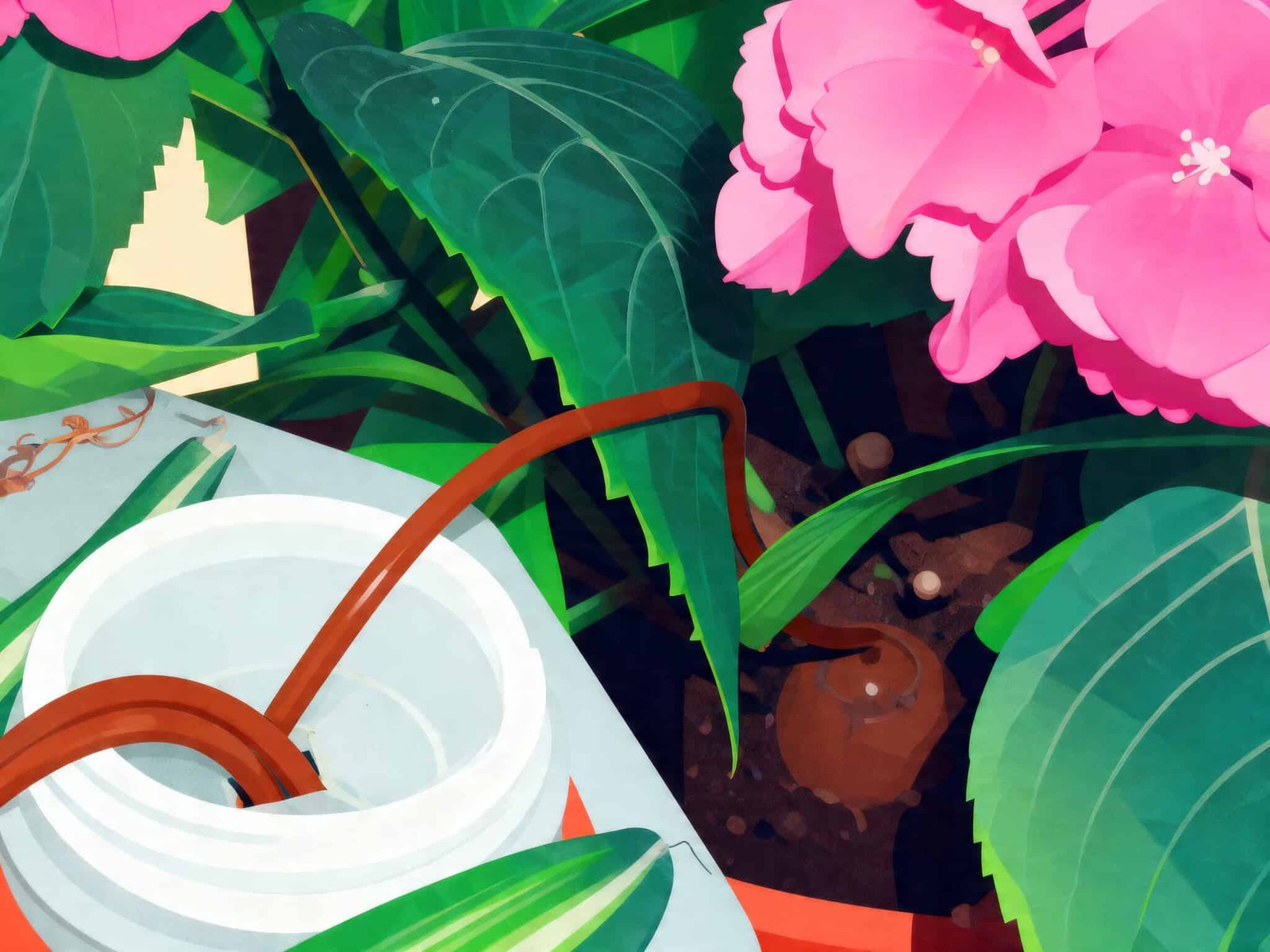
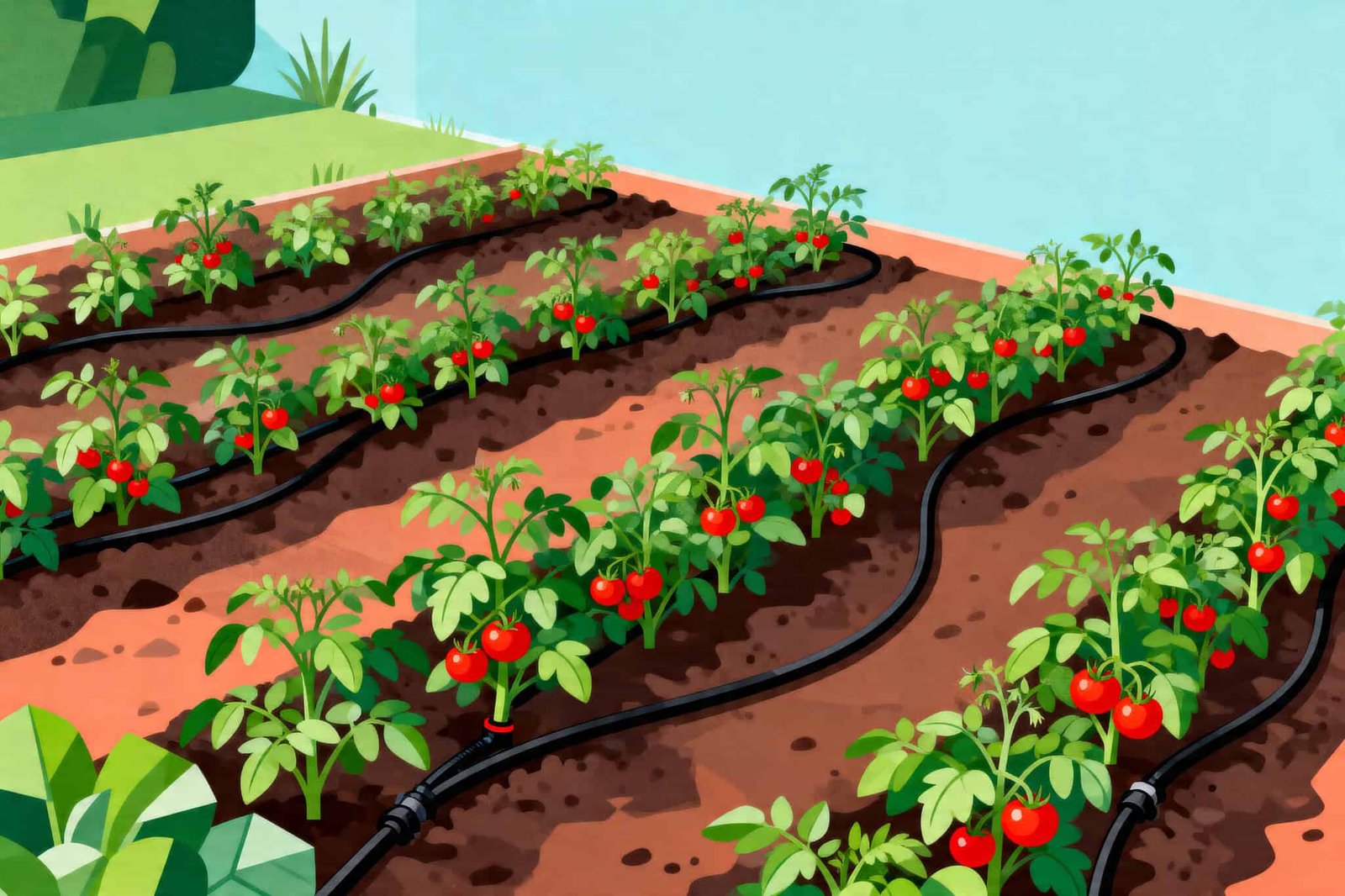
For larger greenhouses or anyone growing a wide range of plants, a dedicated greenhouse watering system takes much of the daily effort out of the equation. Drip systems deliver water slowly and directly to the base of each plant on a timer, which means consistent moisture levels without constant monitoring. They’re particularly useful during hot spells when manual watering needs to increase, or when you’re away from home for any length of time. Take a look at our greenhouse watering systems for options suited to different setups.
With a little attention to timing, technique and the individual needs of your plants, greenhouse watering becomes one of the more manageable aspects of growing under glass — and the results are well worth the effort.